Tamarindo Estuary: Kayak Monkey Tour
5.0(93)
-tól
Részletek$65
Manuel Antonio National Park Night Tour When the sun disappears behind Costa Rica’s Pacific coastline, the rainforest around Manuel Antonio begins to transform. Familiar trails become mysterious pathways, daytime wildlife retreats into the shadows, and a completely different community of creatures awakens beneath the tropical canopy. The air fills with unfamiliar calls, leaves rustle in the darkness, frogs begin calling from hidden pools, and tiny nocturnal creatures emerge from places you might never notice during the day. The Manuel Antonio National Park Night Tour gives you the opportunity to experience this remarkable transformation firsthand. Rather than simply visiting the rainforest, you will enter it after dark with an experienced naturalist guide who knows how to read the subtle signs of nocturnal activity. During approximately two hours of exploration, you can search for red-eyed tree frogs, reptiles, amphibians, insects, sloths, and other fascinating creatures that are active when most visitors have already left the forest. This is a completely different way to experience the biodiversity of Manuel Antonio. With a flashlight in hand and professional optics available for wildlife observation, you will move carefully through the darkness while your guide explains the animals, plants, fungi, and ecological relationships that make this tropical environment so extraordinary. You may see movement in the branches, hear an animal calling from somewhere nearby, or discover a tiny creature illuminated by your guide’s light. The experience is educational, interactive, adventurous, and deeply immersive. For travelers looking for a night wildlife tour in Manuel Antonio, a unique Costa Rica rainforest experience, or an opportunity to discover the tropical forest beyond the traditional daytime excursion, this adventure offers a memorable perspective on one of Costa Rica’s most fascinating natural environments. A rainforest can feel like an entirely different place after sunset. During the day, the forest is filled with sunlight, colorful birds, active monkeys, and visitors exploring the trails. At night, the atmosphere changes dramatically. The sounds become more prominent. Shadows stretch between the trees. Small movements become important clues. Animals that spend daylight hours hidden begin to move through the forest. The Manuel Antonio National Park Night Tour is designed around this transformation. Starting at approximately 6:00 PM, you will meet your naturalist guide and prepare for a two-hour journey into the nighttime environment. Instead of rushing from one attraction to another, the experience encourages you to slow down, observe carefully, listen to the forest, and understand what is happening around you. Your guide becomes an interpreter of the darkness. A sound that might initially seem insignificant could reveal the presence of a frog. A movement among leaves might indicate a reptile. A small reflection in the vegetation may lead to the discovery of an insect or another nocturnal animal. This makes the tour more than a simple wildlife search. It becomes an interactive lesson in how tropical ecosystems function after dark. The experience is especially appealing to curious travelers who want to understand Costa Rica’s biodiversity rather than simply photograph it. Your guide can help explain animal behavior, habitat, ecological relationships, and the important role played by even the smallest organisms in maintaining the health of the rainforest. Manuel Antonio is famous for its extraordinary combination of tropical rainforest, abundant wildlife, and Pacific coastal scenery. But many visitors only experience the destination during daylight hours. A night tour reveals another side of the ecosystem. As daylight fades, nocturnal species become more active. Frogs begin calling. Insects move through the vegetation. Reptiles search for food. Certain mammals become more active, while plants and fungi become fascinating subjects of observation in their own right. The darkness also changes the way you experience nature. Instead of relying primarily on your eyes, you begin to use your hearing and other senses. You listen for movement. You notice changes in the vegetation. You pay attention to sounds coming from different directions. Every few steps can bring a new discovery. That element of uncertainty is one of the most exciting parts of a Manuel Antonio night wildlife tour. You never know exactly what your guide will find around the next corner. One moment you may be watching a frog perched quietly on vegetation. A few minutes later, your attention may shift toward a reptile moving through the forest. Then your guide may use specialized equipment to reveal a tiny creature that would otherwise be nearly impossible to spot. The rainforest becomes a living puzzle. And you are part of the search. The forest at night is fascinating, but exploring it with an experienced naturalist guide makes the experience considerably richer. A knowledgeable guide understands that wildlife observation is not simply about walking through the forest and hoping to see something. It requires patience, awareness, and an understanding of animal behavior. Your guide will help you identify potential wildlife activity and explain what you are seeing. Instead of simply saying that a particular frog is present, for example, your guide can place the observation into a broader ecological context. You can learn how amphibians interact with their environment, why certain species are active at night, and how the tropical ecosystem supports an extraordinary variety of life. The same applies to insects, reptiles, mammals, plants, and fungi. This educational approach makes the experience particularly valuable for families, couples, photographers, nature enthusiasts, first-time visitors to Costa Rica, and anyone who wants to learn more about tropical ecosystems. The small-group format also creates a more personal atmosphere. Rather than feeling like one person among a large crowd, you have more opportunities to interact with your guide, ask questions, share observations, and spend time looking at wildlife. That intimacy can make a major difference during nighttime wildlife watching. One of the main reasons travelers choose this experience is the opportunity to search for animals that are difficult or impossible to observe during an ordinary daytime visit. The rainforest is home to an impressive variety of nocturnal creatures. Few rainforest animals are as visually captivating as the red-eyed tree frog. These colorful amphibians are strongly associated with the tropical forests of Central America and are particularly fascinating to encounter during a nighttime walk. Your guide can help locate frogs within the vegetation and explain their behavior and role within the ecosystem. Seeing a red-eyed tree frog sitting quietly among the leaves under the beam of a flashlight can become one of the defining memories of a Costa Rica trip. The darkness also provides opportunities to search for reptiles and snakes. These animals may remain hidden during the day, making nighttime observation particularly interesting. Your naturalist guide will know where and how to look while maintaining an appropriate and respectful distance from wildlife. The objective is observation—not disturbance. This responsible approach allows travelers to appreciate these animals while respecting their natural behavior. Sloths are among Costa Rica’s most beloved animals, and while they are often associated with daytime wildlife watching, nighttime exploration can offer a different opportunity to observe mammal activity. Your guide will carefully scan trees and vegetation for signs of movement and help you understand where to look. Wildlife sightings are never guaranteed because animals are free to move through their natural habitat, but the search itself is an important part of the experience. Warm, humid tropical environments provide ideal habitats for a remarkable variety of amphibians. At night, frogs and other amphibians can become much more noticeable as they begin calling and moving through their habitats. Listening to the chorus of frogs in the darkness is an experience in itself. Rather than simply seeing the rainforest, you begin to hear it as a living ecosystem. Some of the most fascinating discoveries during a rainforest night walk can be surprisingly small. Insects may be hidden among leaves, on tree trunks, beneath vegetation, or close to the forest floor. With the help of an experienced guide and specialized lighting, these tiny creatures become much easier to appreciate. For many travelers, this is where the tour changes from a conventional wildlife excursion into a genuine discovery experience. One of the memorable elements of the experience is the opportunity to observe fluorescing organisms using UV light. Under ultraviolet illumination, certain natural materials and organisms can appear to glow or produce unusual visual effects that are not visible under ordinary light. This adds another layer to the nighttime rainforest experience. Instead of only searching for animals moving through the forest, you can also explore the less obvious details of the environment. Plants, fungi, insects, and other natural elements can become subjects of close observation. The use of UV light demonstrates just how much is happening in the rainforest that is invisible during a normal walk. It also creates a fascinating photography opportunity for travelers interested in unusual nature images. Your guide can help identify what you are observing and explain why certain organisms or materials may fluoresce. For photographers and nature enthusiasts, this can be one of the most distinctive aspects of the Manuel Antonio National Park night experience. A nighttime rainforest is not silent. In fact, it can feel more alive than during the day. Once the light disappears, sounds become an essential part of the experience. Frogs call from hidden locations. Insects create continuous background rhythms. Leaves move in the darkness. Somewhere farther away, another sound may suddenly interrupt the natural chorus. Without the distractions of bright daylight, these sounds become much more noticeable. Your guide can help you interpret what you hear and understand how different animals use sounds to communicate. This turns an ordinary walk into a sensory experience. You are not simply looking for wildlife. You are listening for it. Every pause on the trail becomes an opportunity to discover something new. The tour includes a flashlight and Swarovski optic telescope, giving you valuable tools for observing wildlife in low-light conditions. Professional optics can be particularly useful when an animal is located high in the trees, farther along the trail, or in a position where approaching closely would be inappropriate. Instead of disturbing the animal to obtain a better view, the group can maintain a respectful distance while still getting a closer look through the optics. This is an important part of responsible wildlife tourism. The equipment also helps make observations more rewarding for travelers who want to study animal details or attempt nature photography. Combined with your guide’s knowledge, the optics help transform small glimpses into meaningful wildlife encounters. The tour is designed as a small-group experience, which helps create a more relaxed and interactive atmosphere. Wildlife observation requires patience. If a guide spots a small frog or another interesting creature, everyone benefits from having enough time and space to observe it properly. Smaller groups can also make it easier to communicate with your naturalist guide. You can ask questions about the animals you encounter, learn more about the rainforest, and better understand the ecological connections between different species. For travelers who prefer meaningful experiences over crowded sightseeing, this is an important advantage. The goal is not to rush through the forest. The goal is to notice it. There is something inherently adventurous about entering a tropical forest after sunset. Even a familiar trail can feel completely different when darkness surrounds you. Your flashlight illuminates only a small section of the path. The rest of the forest remains hidden. Sounds come from places you cannot immediately see. Every movement in the vegetation creates curiosity. This sense of mystery is part of what makes a Costa Rica night jungle tour so memorable. You are not following a predictable sightseeing route where every attraction is guaranteed. Instead, you are participating in a real wildlife search. The rainforest decides what you encounter. Your guide provides the knowledge, equipment, and experience needed to maximize your chances of finding interesting species while keeping the group safe and respectful toward the environment. That combination of adventure and education makes the experience especially rewarding. Wildlife is only one part of the story. During the experience, you can also learn about plants and fungi and their importance within the ecosystem. Rainforests are complex networks in which every organism contributes to the overall balance of the environment. Fungi help break down organic matter and recycle nutrients. Plants provide food and shelter. Insects pollinate plants and serve as food for other animals. Amphibians and reptiles contribute to food webs. Mammals help distribute seeds and influence vegetation. When you explore the forest at night, these relationships become easier to appreciate. Your guide can help you look beyond the most famous animals and understand the broader ecosystem. That is one of the most valuable aspects of a guided nature experience. Instead of leaving the forest with only a collection of wildlife photographs, you can leave with a deeper understanding of how the rainforest functions. Costa Rica is renowned around the world for its biodiversity. For many travelers, seeing wildlife is one of the primary reasons for visiting the country. But wildlife does not follow a tourist schedule. Animals do not appear simply because visitors arrive. Some species are most active at dawn. Others prefer the daytime. Others emerge after sunset. A night tour allows you to experience the forest according to its natural rhythm. This makes the excursion an excellent complement to a daytime visit to Manuel Antonio. After spending time exploring the region under the tropical sun, you can return after dark and discover that the same environment has become something entirely different. The trees are still there. The trails may be familiar. But the inhabitants have changed. The Manuel Antonio National Park Night Tour can appeal to many different types of travelers. If wildlife is one of your main reasons for visiting Costa Rica, a nighttime excursion adds another dimension to your trip. You can search for species and behaviors that may not be visible during the day. The tour provides opportunities to photograph unusual nocturnal subjects, from colorful amphibians to insects and other rainforest discoveries. A camera is recommended, although travelers should always prioritize the well-being of wildlife over obtaining a photograph. The educational and interactive format can make the rainforest more engaging for families, particularly children who enjoy discovering animals and learning how ecosystems work. Parents should consider their children’s comfort with walking outdoors after dark and the tropical environment when deciding whether the experience is suitable. A nighttime rainforest walk offers a memorable alternative to traditional evening activities. Walking through the forest together, listening to the sounds of the jungle, and discovering wildlife can create a uniquely shared travel experience. If you prefer experiences that feel active, immersive, and slightly unpredictable, exploring a tropical forest after dark is an excellent addition to a Costa Rica itinerary. Imagine arriving as the last light of day begins to disappear. The temperature is comfortable. The surrounding vegetation is darkening. Your guide prepares the equipment and explains what to expect. Then you enter the forest. The beam of the flashlight moves across the trail. Leaves shimmer in the light. A frog calls somewhere nearby. Your group stops. Everyone becomes quiet. Your guide scans the vegetation. Then suddenly, there it is—a small creature that would have been almost impossible to notice without expert eyes. This is the magic of a nighttime wildlife tour. The discoveries are often small, but the experience feels enormous. A tiny frog can become the highlight of an evening. A strange insect can inspire a conversation about rainforest ecology. A distant animal sound can make everyone stop and listen. The forest encourages you to slow down and pay attention. Modern travelers increasingly seek experiences that provide more than photographs. They want to understand the destinations they visit. The Manuel Antonio National Park Night Tour offers that opportunity through an educational and interactive approach to wildlife observation. Your naturalist guide can explain what you encounter, answer questions, and provide local insight into the environment. This is particularly valuable in a biodiversity-rich destination like Costa Rica, where even seemingly ordinary plants and insects can play important ecological roles. By the end of the experience, you may find yourself looking at the rainforest differently. Instead of seeing a wall of vegetation, you may recognize habitats. Instead of hearing random nighttime sounds, you may start wondering which animal produced them. Instead of overlooking insects and fungi, you may appreciate their role in the ecosystem. That shift in perspective is one of the most meaningful outcomes of responsible nature tourism. Several elements combine to make the experience distinctive. Nighttime exploration allows you to discover a side of the rainforest that most daytime visitors never see. Expert naturalist guidance helps transform wildlife sightings into educational experiences. Small groups create a more personal and interactive atmosphere. Professional viewing equipment helps you observe animals without getting unnecessarily close. UV-light observation adds an unusual and fascinating dimension to the experience. Local insight gives you a deeper understanding of the environment and its inhabitants. Most importantly, the tour invites you to experience the forest rather than simply pass through it. One of the most important principles of wildlife tourism is respect. The animals you encounter are wild. They are not performers, and their behavior should never be manipulated simply to provide a better photograph or closer encounter. A guided nighttime experience provides an opportunity to observe wildlife while maintaining appropriate distance and minimizing disturbance. Your naturalist guide can help determine where to look, when to stop, and how to observe without unnecessarily interfering with the animals. Travelers should follow the guide’s instructions throughout the experience and avoid touching, feeding, chasing, or attempting to handle wildlife. Responsible observation helps protect the very environment that makes the experience possible. Because the tour takes place outdoors in a tropical environment, comfortable preparation can make the experience more enjoyable. Closed-toe shoes are recommended because the trail environment may include uneven surfaces, vegetation, and natural terrain. Choose comfortable clothing suitable for walking in a humid rainforest environment. Insect repellent is also recommended, with biodegradable products encouraged as a more environmentally considerate choice. And do not forget your camera. The forest may provide countless unexpected photographic opportunities, from unusual insects and colorful amphibians to atmospheric nighttime scenes. Most importantly, arrive ready to observe rather than rush. The best wildlife experiences often come from patience. Transportation within the Manuel Antonio area is included, adding convenience for travelers staying nearby. After completing your reservation, the tour team will contact you before the experience to confirm your hotel or Airbnb pickup details or your designated meeting point. This helps ensure that the logistics are clear before the evening adventure begins. Travelers should make sure the phone number, WhatsApp contact, or email address provided during booking is accurate so the tour team can communicate important details smoothly. The tour page currently lists the experience from $65 per person, although travelers should confirm the final price and availability at the time of booking. Manuel Antonio is more than a beautiful destination on Costa Rica’s Pacific coast. It is a place where rainforest and wildlife create an extraordinary natural environment—and that environment does not go to sleep when the sun goes down. After dark, another world emerges. Frogs call. Insects move. Reptiles become active. Mammals navigate the vegetation. Plants and fungi reveal details that are easy to miss during daylight. And somewhere within the darkness, your next discovery may be waiting. The Manuel Antonio National Park Night Tour gives you the chance to slow down, listen carefully, look closely, and experience this remarkable ecosystem from a completely different perspective. Whether you are a dedicated wildlife enthusiast, a first-time visitor to Costa Rica, an adventurous couple, a family seeking an educational activity, or a photographer searching for unusual tropical subjects, this experience can add something genuinely memorable to your Manuel Antonio itinerary. The rainforest at night is not simply the rainforest without sunlight. It is a different world. And tonight, you can step inside it. Your Manuel Antonio night adventure begins at approximately 6:00 PM, when the forest is transitioning from daylight into darkness. The exact hotel pickup time or meeting point is confirmed by the tour team one day before the experience, while travelers who selected a meeting point during booking can arrive directly at the confirmed location. This transition is part of what makes the experience special. The forest does not simply become dark. It changes character. Daytime activity gradually gives way to nocturnal activity, and the sounds of the surrounding rainforest become increasingly noticeable. With your certified naturalist guide leading the way, you begin approximately two hours of nighttime exploration, searching for wildlife and learning about the ecology of the tropical forest. The experience is designed around discovery rather than a fixed list of guaranteed sightings. Wildlife moves freely through its natural habitat, which means every evening can be different. One night may reveal a striking red-eyed tree frog. Another may offer an interesting reptile, a sloth resting in the vegetation, unusual insects, or fascinating fluorescing organisms under UV light. That unpredictability is part of the adventure. Your adventure begins with convenient transportation within the Manuel Antonio area when transportation is selected as part of the experience. The tour operator confirms your exact pickup time or meeting point approximately one day before the tour. Travelers who have selected a meeting point can go directly there at the scheduled time. This confirmation process helps make your evening easier to organize, particularly if you are staying at a hotel or Airbnb in Manuel Antonio. Before the tour, make sure the WhatsApp number, telephone number, or email address supplied during booking is correct so the team can contact you with the relevant details. Once you meet your guide, you can prepare for a completely different kind of wildlife experience. A certified naturalist guide accompanies the group throughout the experience. The guide is not simply there to lead the way. A major part of the tour is learning how to interpret the forest. At night, wildlife can be difficult to identify without an experienced eye. A professional guide understands where animals may be found, how to search the vegetation, how to interpret sounds, and how to use observation equipment effectively. This makes the experience educational as well as adventurous. You can ask questions throughout the walk and learn about the animals, plants, fungi, and ecological relationships encountered along the way. For travelers who want more than a simple photograph, this naturalist-led approach can make the rainforest far more meaningful. Before entering the forest, the group can prepare the equipment used for nighttime observation. A flashlight and Swarovski optic telescope are included with the tour. The flashlight is essential for navigating and identifying activity close to the trail, while the telescope can provide a closer view when wildlife is located farther away or higher in the vegetation. This is particularly valuable for responsible wildlife observation. You do not need to approach an animal closely just to see it. Instead, your guide can help you observe from a suitable distance. This approach allows travelers to enjoy detailed wildlife encounters while respecting the natural environment. Once the group is ready, the nighttime trek begins. As you enter the forest, allow your eyes and ears to adjust to the changing environment. The experience becomes increasingly sensory. You may hear insects before you see them. A frog may call from somewhere hidden among the leaves. A branch may move unexpectedly. A small reflection may appear in the vegetation. Your guide will encourage the group to slow down and pay attention to these clues. Unlike a daytime wildlife tour where visibility is generally greater, nighttime exploration requires patience. The forest reveals itself gradually. The main objective of the approximately two-hour trek is to search for nocturnal wildlife. The tour description specifically mentions opportunities to encounter red-eyed tree frogs, snakes, sloths, reptiles, amphibians, insects, and other nocturnal creatures. Because these are wild animals, sightings cannot be guaranteed. However, having a knowledgeable naturalist guide significantly enhances the experience by helping the group understand where and how to search. You may spend several minutes observing one small section of vegetation before discovering something hidden there. That patience is often rewarded. Amphibians are among the most exciting animals to search for during a tropical rainforest night walk. Red-eyed tree frogs are particularly memorable because of their distinctive appearance and nocturnal behavior. Under a flashlight beam, a frog hidden among leaves can suddenly become visible. Your guide can help identify the species and explain its role within the rainforest ecosystem. You may also hear frogs before seeing them. Their calls can become an important clue during nighttime wildlife observation. This makes amphibian encounters more than a visual experience. They are also an opportunity to learn how animals communicate and interact with their environment. Nighttime can also provide opportunities to observe reptiles and snakes. These animals may be difficult to locate without specialized knowledge, which is why the naturalist guide plays such an important role. If your guide identifies a reptile or snake, take time to observe it carefully and follow all instructions about maintaining a respectful distance. The objective is to observe natural behavior rather than disturb the animal. For many travelers, finding a snake during a guided rainforest night walk becomes one of the most memorable moments of the evening. It is the kind of discovery that is difficult to recreate through ordinary sightseeing. Sloths are among the wildlife travelers most hope to encounter in Costa Rica. During the night tour, your guide may scan trees and vegetation for signs of mammal activity, including sloths. The search can take patience. A sloth may remain still and blend into its surroundings, making an experienced guide especially useful. Even when the animal is resting quietly in a tree, observing it in its natural environment can be an extraordinary experience. Rather than simply checking an animal off a list, the guide can help explain its behavior and relationship with the surrounding forest. Not every memorable wildlife encounter needs to involve a large animal. Insects can be among the most fascinating discoveries during a rainforest night walk. After sunset, many small creatures become active. They may move across leaves, hide beneath vegetation, gather around plants, or appear on tree trunks. A guide who knows where to look can reveal an entire miniature world that most visitors would walk straight past. For photographers, this can be especially rewarding. The textures, shapes, colors, and unusual forms of tropical insects can create photographs that look completely different from conventional wildlife images. One of the distinctive features of this Manuel Antonio night experience is the opportunity to observe fluorescing species and natural elements using UV light. UV observation can reveal details that are not obvious under ordinary lighting. The effect can feel almost magical. A dark section of forest suddenly contains something that appears to glow or react differently under ultraviolet illumination. Your guide can help you understand what you are seeing and explain the ecological significance of the organisms or materials being observed. This portion of the tour is particularly appealing to curious travelers, families, photographers, and anyone who enjoys discovering unusual details in nature. The rainforest is not only about animals. Plants and fungi are essential components of the ecosystem, and the tour provides an opportunity to learn about their importance. As you walk through the forest, your guide may point out vegetation or fungi that would otherwise be overlooked. This can help you understand the rainforest as an interconnected system. Trees and plants provide shelter and food. Fungi participate in decomposition and nutrient cycling. Insects interact with plants. Animals depend on vegetation for habitat. Every part of the forest contributes to a larger ecological story. The nighttime environment offers a particularly interesting perspective because some of these details become more noticeable under flashlight or UV illumination. One of the most powerful parts of the experience is simply listening. The jungle at night has its own soundtrack. You may hear insects creating a continuous background rhythm. Frogs call from hidden locations. Leaves rustle. Branches move. Occasionally, a completely different sound can capture the group's attention. Your guide can help you understand that these sounds are not random. They are evidence that the forest remains highly active even when most people have gone to sleep. This can change the way you experience the destination. Instead of thinking of the rainforest as a scenic backdrop, you begin to recognize it as a living ecosystem. The included Swarovski optic telescope is an important advantage for wildlife observation. Animals can be located at different distances and heights, and approaching too closely is not appropriate for responsible wildlife tourism. Professional optics help bridge that distance. Your group can remain in a suitable location while the guide positions the telescope for observation. This can provide a more detailed view of wildlife without encouraging unnecessary interaction. For travelers interested in animal behavior, this is an excellent way to observe subtle details. For photographers, it can also provide opportunities to identify subjects before attempting to capture an image. A typical experience follows a natural rhythm rather than a rigid checklist. You arrive. You meet the guide. You prepare the equipment. You enter the forest. Then you search. Sometimes you move slowly. Sometimes the group stops completely. Sometimes the guide points toward a tiny creature that nobody else noticed. Other times you may spend several minutes listening to a sound before discovering its source. This is what makes wildlife tourism different from conventional sightseeing. There is no guarantee that the next discovery will happen at a particular moment. Instead, you become part of the search. The forest determines what appears. Your guide helps you understand it. Responsible travel websites should always be transparent about wildlife encounters. Even in an exceptionally biodiverse environment, wild animals cannot be scheduled. A guide can be highly experienced and know excellent observation locations, but animals remain free to move, hide, rest, hunt, or travel elsewhere. Therefore, the best way to approach the Manuel Antonio National Park Night Tour is not to expect a fixed number of species. Expect discovery. Expect surprises. Expect to learn. Expect the forest to be different from what you imagined. That mindset often leads to a more enjoyable experience because every encounter becomes a genuine discovery rather than simply fulfilling a checklist. Closed-toe shoes are specifically recommended for the tour. Choose footwear that is comfortable for walking and suitable for natural trail conditions. Avoid uncomfortable shoes that may cause irritation during the approximately two-hour experience. Good footwear can make a significant difference in how enjoyable the evening feels. Wear comfortable clothing appropriate for outdoor walking in a tropical environment. The goal is to stay comfortable while moving through the forest. Avoid clothing that restricts movement. Lightweight, breathable hiking clothing is generally a practical choice for warm and humid conditions. Insect repellent is recommended, and the tour page specifically suggests choosing a biodegradable option. This is particularly useful during nighttime rainforest exploration. Applying repellent before entering the forest can help you remain focused on the experience rather than constantly thinking about insects. Choosing an environmentally considerate product is also consistent with the principles of responsible nature travel. A camera is included in the recommended packing list. Nighttime wildlife photography can be challenging, but it can also produce some of the most distinctive images from a Costa Rica trip. Bring the equipment you are comfortable carrying. A smartphone can be useful for casual photographs, while dedicated cameras may provide more control in low-light conditions. However, remember that the experience is about wildlife observation first. Do not use flash or move closer to an animal simply to obtain a photograph unless your guide indicates that it is appropriate. Perhaps the most important thing to bring is patience. Wildlife does not perform on demand. You may find something fascinating within the first few minutes. You may also spend time searching before the next discovery. Both situations are normal. The excitement comes from not knowing exactly what will appear. Allow yourself to enjoy the sounds, atmosphere, and anticipation between sightings. The educational and interactive nature of the tour can make it appealing to families interested in wildlife and nature. Children who enjoy animals may find the experience especially exciting because the forest becomes a real-life discovery environment. Instead of looking at animals in a zoo, they are learning about wildlife in a natural ecosystem. However, parents should consider their child's comfort with darkness, walking outdoors, insects, and nighttime activities. The experience involves approximately two hours of trekking, so children should be prepared for an active outdoor evening. Families should also follow the guide's instructions carefully and encourage children to respect wildlife by remaining quiet and never touching or feeding animals. Absolutely. A nighttime rainforest walk can be a memorable addition to a romantic Costa Rica itinerary. Instead of spending another evening at a restaurant or hotel, couples can share an unusual outdoor experience. The atmosphere is naturally immersive. You walk through the darkness together. You listen to the jungle. You stop when the guide discovers something. You share the excitement of seeing a frog, reptile, insect, or other creature for the first time. These moments can become some of the most memorable stories from a trip. The experience is particularly well suited to travelers who are interested in biodiversity and wildlife observation. The combination of a naturalist guide, nighttime exploration, professional optics, and UV-light observation creates an environment where curious travelers can spend meaningful time learning about tropical species. It is also a useful addition for visitors who have already experienced daytime wildlife tours. Rather than repeating the same type of excursion, you can experience a different part of the ecosystem after sunset. Group size matters during wildlife observation. A smaller group can create a more intimate atmosphere and make communication with the guide easier. When the group stops to examine a small frog or insect, participants can interact more directly with the guide. Questions can be answered as they arise. Everyone can participate in the discovery. The tour specifically promotes its small-group format as part of the experience. For travelers who prefer personal attention rather than large organized groups, this can be an important reason to choose the tour. Many visitors experience Manuel Antonio during daylight. This tour allows you to see what happens after sunset. Look for frogs, reptiles, insects, sloths, and other nighttime creatures with an experienced guide. The guide adds educational context to wildlife sightings instead of simply identifying animals. A flashlight and Swarovski optic telescope are provided. The small-group setting supports a more personal wildlife experience. Explore fluorescing species and natural details that may not be visible during ordinary nighttime observation. The tour provides both the excitement of exploring after dark and the educational value of guided interpretation. Transportation within the Manuel Antonio area is included according to the tour listing. The listed inclusions also cover water and the entrance fee. The experience goes beyond traditional sightseeing by allowing you to experience the rainforest according to its nighttime rhythm. The current tour listing states that the experience includes: Certified naturalist tour guide Flashlight Swarovski optic telescope Transportation within the Manuel Antonio area Water Entrance fee Small-group experience Guide tips These inclusions are listed directly on the tour page. This means travelers can focus on the wildlife experience without having to arrange the basic observation equipment independently. For the most comfortable experience, bring: Comfortable closed-toe shoes Hiking-appropriate clothing Camera Insect repellent A biodegradable insect repellent where possible The official tour information recommends these items. It is also sensible to carry only what you need because nighttime walking is easier when you are not carrying unnecessary luggage. The tour currently lists a starting price of $65 per person. Because travel prices and availability can change, travelers should verify the final price and available date during the booking process. The experience begins around 6:00 PM and lasts approximately two hours according to the current tour description. The tour is designed for travelers staying in the Manuel Antonio area, with transportation within the area included in the listed inclusions. After reservation, the team states that it will contact travelers one day before the tour to confirm the exact hotel or Airbnb pickup time or meeting point. Planning an evening activity in an unfamiliar destination can sometimes feel complicated. Where should you meet? When will transportation arrive? What equipment do you need? Who will guide you? This experience is designed to simplify those questions. The tour includes a certified naturalist guide, observation equipment, water, entrance fee, and transportation within the Manuel Antonio area. The pre-tour confirmation process also provides an additional layer of convenience by confirming your pickup or meeting arrangements before the experience. Make sure your contact details are accurate when booking so the tour team can reach you. If you need to make changes, have questions about weather, or have special requests, the tour page provides WhatsApp contact information for the team. The experience is outdoors, so come prepared for walking and a tropical environment. Comfortable shoes and practical clothing will help you enjoy the trek. You may see several species or only a few. The value of the experience is not measured solely by the number of animals photographed. Your naturalist guide can notice details that an inexperienced observer might miss. Pay attention when the group stops. Often, the most interesting discoveries happen when everyone becomes quiet. Do not rush. Wildlife observation rewards patience. Stay on appropriate paths, follow the guide's instructions, avoid touching wildlife, and never feed animals. Even when there is no immediate sighting, the nighttime rainforest itself is an experience. Listen. Observe. Take in the sounds. Let the darkness become part of the adventure. Night photography presents different challenges from daytime photography. Wildlife may be moving, the environment is dark, and the available light can be limited. Rather than focusing entirely on technical perfection, concentrate on enjoying the encounter. Keep your camera accessible but secure. Use the observation equipment provided by the tour to identify subjects. Listen to the guide when positioning yourself. Avoid chasing animals for a better photograph. If your camera has a low-light mode, learn how to use it before the tour rather than trying to figure everything out in the darkness. Most importantly, remember that a photograph is a souvenir of the experience—not the purpose of the experience itself. Sometimes the best memory is simply seeing a small rainforest creature appear in the beam of your guide's flashlight. Tropical rainforest weather can be unpredictable. Rain is a natural part of the ecosystem and can influence wildlife behavior. If you have questions about weather conditions or need assistance with a reservation, the tour page specifically invites travelers to contact the team regarding weather questions or special requests. Because weather decisions can depend on actual conditions, travelers should communicate directly with the tour team when necessary rather than making assumptions. For your own comfort, practical hiking clothing and appropriate footwear remain important. It is easy to describe a wildlife tour as “a walk through the forest.” This experience is much more than that. It is an investigation. You enter the forest without knowing exactly what you will discover. Your guide searches. You listen. The flashlight moves through the vegetation. The group pauses. A tiny animal appears. Everyone observes. Then you continue. Another sound catches your attention. The search begins again. This cycle of anticipation and discovery creates the emotional rhythm of the tour. That is why a Manuel Antonio night wildlife tour can feel so different from a standard sightseeing activity. You are not simply being shown attractions. You are learning how to look for life. For travelers interested in ecology, the rainforest becomes a classroom without walls. The guide can introduce you to different aspects of the ecosystem while you are standing directly inside it. You can learn about animal behavior while watching an animal. You can learn about fungi while seeing them in their natural environment. You can learn about nocturnal activity while hearing the forest come alive. This direct connection between explanation and observation makes the experience particularly engaging. It also gives travelers a greater appreciation for conservation. When you understand how many different organisms depend on the same ecosystem, protecting that environment becomes more than an abstract idea. It becomes personal. A trip to Costa Rica can include beaches, waterfalls, volcanoes, adventure activities, rainforest hikes, and wildlife experiences. A night tour adds a different rhythm to the itinerary. It does not require an entire day. The experience begins in the evening and lasts around two hours, making it an attractive option for travelers who want to use their daytime hours for other activities. You can spend the day exploring Manuel Antonio, relaxing near the coast, enjoying your accommodation, or participating in another daytime adventure. Then, as the sun sets, you can shift your attention toward the forest. This makes the tour particularly useful for travelers who want to maximize their time in the Manuel Antonio region. The best travel memories are often unexpected. A sunset may be beautiful. A beach may be unforgettable. But years later, you may remember the moment when your guide quietly pointed toward a branch and revealed a creature hidden in the darkness. You may remember the sound of frogs echoing through the forest. You may remember discovering something under UV light. You may remember looking through the telescope and seeing a wild animal from a respectful distance. These are the moments that transform an ordinary vacation evening into a story worth telling. The Manuel Antonio National Park Night Tour is built around those moments. Travelers searching for a night tour in Manuel Antonio, Manuel Antonio wildlife at night, or a Costa Rica rainforest night walk are often looking for more than a standard guided hike. They want authentic encounters. They want knowledgeable interpretation. They want to understand what they are seeing. They want the excitement of entering a forest after dark. This tour combines those elements into one evening experience. The current listing highlights the opportunity to encounter sloths, frogs, reptiles, amphibians, insects, and other nocturnal wildlife, while also offering UV-light observation and professional optics. A daytime wildlife experience and a nighttime wildlife experience should not be viewed as substitutes. They reveal different aspects of the ecosystem. During the day, sunlight makes it easier to see the forest structure and observe animals that are active during daylight. At night, darkness changes the balance. Different species become active. Different sounds become prominent. Different observation techniques become useful. The forest feels more mysterious. This is why travelers who have already enjoyed a daytime Manuel Antonio wildlife experience may still find a night tour worthwhile. You are not simply seeing the same place at another hour. You are experiencing a different ecological period. One of the greatest benefits of a naturalist-led tour is local knowledge. A guide familiar with the environment can help you understand subtle signs that would otherwise be easy to miss. A particular sound. A movement in the leaves. A shape on a tree trunk. A reflection in the darkness. A particular type of vegetation. These clues can guide the search. For visitors unfamiliar with tropical ecosystems, this makes an enormous difference. Instead of walking through a dark forest wondering what you are supposed to see, you begin to understand how experienced wildlife observers approach the environment. That knowledge can remain useful long after the tour is finished. Travel is often most rewarding when it changes the way you see a place. A night wildlife tour can do that. After spending an evening learning about nocturnal species, you may notice wildlife differently during the rest of your Costa Rica trip. You may listen more carefully. You may look into trees instead of simply walking past them. You may become more interested in insects, fungi, frogs, and other small organisms. You may begin to recognize that biodiversity is not only about famous animals. It is about the entire system. That is the deeper value of a naturalist-led rainforest experience. If you are ready to discover a different side of Costa Rica, the Manuel Antonio National Park Night Tour offers an exciting way to spend your evening. Starting at approximately 6:00 PM, you will enter the rainforest with a certified naturalist guide for around two hours of nighttime exploration. You will have access to a flashlight and Swarovski optic telescope while searching for nocturnal wildlife and learning about the plants, fungi, insects, amphibians, reptiles, and mammals that make the forest so extraordinary. The experience includes transportation within the Manuel Antonio area, water, entrance fee, professional guidance, and a small-group format. The current listed starting price is $65 per person. Whether you are traveling as a couple, with family, with friends, or independently, this evening adventure can add an entirely different dimension to your Costa Rica journey. Do not wait for the forest to look the same after sunset. Step beyond the familiar. Listen to the jungle. Search the shadows. Look for the movement in the leaves. Discover the creatures that emerge after dark. And experience Manuel Antonio National Park at night—where every sound can be a clue, every shadow can hide a discovery, and every step can lead to another unforgettable moment. Your Costa Rica adventure does not have to end when the sun goes down. Make the most of your time in Manuel Antonio with an immersive nighttime wildlife experience led by a knowledgeable naturalist guide. Come prepared with comfortable shoes, suitable hiking clothing, insect repellent, and your camera. Bring your curiosity. Bring your patience. Bring your sense of adventure. The rainforest will provide the rest. Book your Manuel Antonio National Park Night Tour and discover the hidden world of Costa Rica after dark. The Manuel Antonio National Park Night Tour is a guided nighttime rainforest experience that allows travelers to explore the forest after sunset and search for nocturnal wildlife. The approximately two-hour experience is led by a certified naturalist guide and may include opportunities to observe frogs, reptiles, snakes, sloths, insects, amphibians, plants, fungi, and other nighttime rainforest life. The tour also includes a flashlight and Swarovski optic telescope to assist with wildlife observation. The tour starts at approximately 6:00 PM. The exact pickup time or meeting-point details are confirmed before the experience, depending on the transportation arrangement selected during booking. Because sunset and local operating conditions can vary throughout the year, travelers should follow the final time provided by the tour team. The nighttime trek lasts approximately two hours. This provides enough time to move through the rainforest at a relaxed pace, stop for wildlife observation, listen for nocturnal animals, and learn from the naturalist guide without turning the experience into a rushed walk. The tour offers opportunities to search for a variety of nocturnal wildlife, including red-eyed tree frogs, snakes, reptiles, amphibians, insects, sloths, and other mammals. Wildlife sightings are naturally unpredictable because the animals are wild and move freely through their habitat. The purpose of the tour is therefore to provide expert-guided wildlife observation rather than guarantee specific species. An experienced naturalist guide helps maximize opportunities by knowing how to search for nighttime wildlife. Red-eyed tree frogs are among the amphibians travelers may have the opportunity to encounter during the nighttime rainforest exploration. Because they are wild animals, sightings cannot be guaranteed. However, nighttime conditions can provide interesting opportunities to search for frogs and other amphibians, and the naturalist guide can help identify them and explain their behavior. Sloths are among the mammals that may be encountered during the experience. Your guide can scan trees and vegetation for signs of wildlife activity and help the group identify animals that might otherwise be difficult to notice. As with all wildlife encounters, seeing a sloth is not guaranteed because the animal's location and behavior are naturally unpredictable. The tour can be an engaging option for families with children who enjoy animals, nature, and outdoor adventures. The interactive nature of the experience can make learning about rainforest wildlife particularly exciting for young travelers. However, parents should consider their child's ability to participate in approximately two hours of outdoor walking and their comfort with darkness, insects, and nighttime rainforest conditions. Children should remain with the group and follow the naturalist guide's instructions throughout the experience. Suitability for seniors depends on individual mobility, comfort with outdoor walking, and ability to manage approximately two hours in a rainforest environment. Travelers who are comfortable walking on natural terrain may enjoy the experience, particularly because the tour focuses on observation rather than speed. Anyone with concerns about mobility or specific physical requirements should contact the tour team before booking so that appropriate arrangements can be discussed. Yes. The nighttime rainforest environment can provide couples with a distinctive experience to share during a Costa Rica vacation. Rather than spending the entire evening indoors, couples can explore the forest together, listen to nocturnal sounds, search for wildlife, and discover unusual tropical species with a naturalist guide. It can be an especially memorable addition to a romantic Costa Rica itinerary. Yes. The tour listing includes transportation within the Manuel Antonio area. The tour team confirms the specific hotel or Airbnb pickup time or meeting point before the experience. Travelers should provide accurate accommodation and contact details when booking so the team can communicate the final arrangements. Yes. The listed tour inclusions include the entrance fee. This makes planning easier because travelers do not need to arrange the listed entrance cost separately for the experience. Yes. Water is included in the tour package. Travelers should still dress appropriately for the tropical environment and bring any additional personal items they may need during the approximately two-hour outdoor experience. Yes. A certified naturalist tour guide is included. The guide is an important part of the experience because nighttime wildlife can be difficult to locate and identify without local knowledge. In addition to helping locate wildlife, the guide provides educational information about animals, plants, fungi, and the rainforest ecosystem. Yes. A flashlight is included. This is an essential piece of equipment for nighttime exploration and wildlife observation. The tour also provides a Swarovski optic telescope, allowing travelers to observe wildlife from a suitable distance without needing to approach animals closely. The Swarovski optic telescope is used to improve wildlife observation. Nocturnal animals may be located in trees, vegetation, or other areas where getting closer would be inappropriate. Professional optics allow the group to observe animals in greater detail while maintaining a respectful distance. This is especially useful for wildlife watching and can make distant or small animals easier to identify. Yes. The experience includes an opportunity to observe fluorescing species under UV light. UV-light observation can reveal unusual visual characteristics that are not readily visible under normal lighting. This adds another dimension to the rainforest experience and can be particularly interesting for photographers, families, nature enthusiasts, and travelers interested in unusual biological phenomena. Travelers should wear comfortable closed-toe shoes and hiking-appropriate clothing. Because the experience takes place outdoors in a tropical rainforest environment, practical clothing that allows comfortable movement is recommended. Avoid footwear that is uncomfortable or unsuitable for walking. Yes. Insect repellent is recommended for the experience. The tour information specifically recommends bringing insect repellent and suggests choosing a biodegradable option. Applying repellent before entering the forest can make the evening more comfortable while choosing an environmentally considerate product supports responsible travel practices. Yes. A camera is included in the recommended items to bring. Nighttime wildlife can create interesting photography opportunities, particularly when observing frogs, reptiles, insects, and other rainforest subjects. Travelers should always prioritize wildlife welfare and follow the guide's instructions when photographing animals. Rain can occur naturally in Costa Rica's tropical rainforest environment. Because weather conditions can vary, travelers with concerns about rain or tour conditions should contact the tour team for current guidance before the experience. Do not assume that ordinary rain automatically means the tour will be canceled. The appropriate decision depends on the actual conditions and the operator's safety assessment. No. Wildlife sightings cannot be guaranteed. The tour takes place in a natural environment where animals move freely and may be hidden, resting, hunting, or located away from the trail. The naturalist guide uses local knowledge and professional observation techniques to improve the chances of finding wildlife, but nature always remains unpredictable. This unpredictability is part of the adventure. Yes. A nighttime wildlife tour can complement a daytime Manuel Antonio experience because the forest behaves differently after sunset. Different species may become active, different sounds dominate the environment, and specialized nighttime observation techniques become useful. Rather than repeating a daytime sightseeing experience, the night tour provides a new perspective on the same tropical ecosystem. Yes. The tour is designed as an educational and interactive nature experience. The certified naturalist guide can explain wildlife behavior, rainforest ecology, plants, fungi, insects, amphibians, reptiles, mammals, and other aspects of the tropical environment. This makes the experience valuable for travelers who want to understand Costa Rica's biodiversity rather than simply photograph it. Yes. The experience is promoted as a small-group tour. A smaller group can make wildlife observation more comfortable and allow travelers to interact more directly with the naturalist guide. It can also create a quieter atmosphere, which is useful when searching for animals in the rainforest. The tour is currently listed from approximately $65 per person. Prices and availability can change, so travelers should verify the current price at the time of booking. The experience takes place in the Manuel Antonio area of Costa Rica, focusing on nighttime exploration of the tropical rainforest environment. Transportation is available within the Manuel Antonio area according to the tour listing. The exact pickup or meeting location is confirmed before the tour. Wear comfortable closed-toe shoes, choose practical hiking clothing, apply insect repellent, bring your camera, and arrive ready for an outdoor nighttime adventure. Most importantly, bring patience. Wildlife observation is not a race. The more carefully you listen and observe, the more you may notice. A knowledgeable naturalist guide can significantly improve the quality of a nighttime wildlife experience. Guides understand local habitats, animal behavior, observation techniques, and the appropriate ways to interact with the environment. Nighttime rainforest exploration also requires additional awareness because visibility is limited. A guided experience allows you to focus on discovering wildlife and learning about the ecosystem while following established safety and wildlife-observation practices.Discover the Hidden World of Manuel Antonio After Dark
Experience Manuel Antonio National Park in a Completely New Way
Why a Night Tour in Manuel Antonio Is So Special
A Guided Wildlife Adventure for Curious Travelers
Search for Nocturnal Wildlife in the Costa Rican Rainforest
Red-Eyed Tree Frogs
Reptiles and Snakes
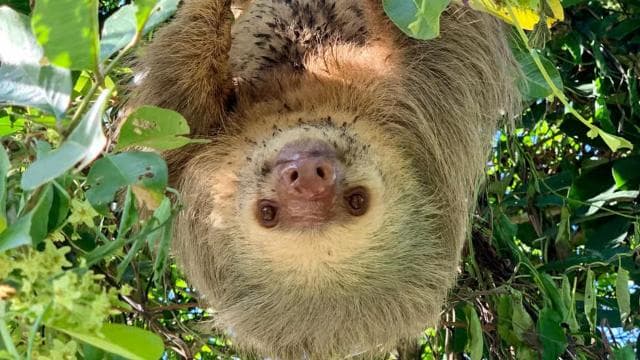
Sloths and Nocturnal Mammals
Amphibians
Insects and Other Small Creatures
Discover Fluorescing Species Under UV Light
Listen to the Jungle After Sunset
Explore With Professional Wildlife-Viewing Equipment
A Small-Group Experience With a Personal Touch
A Genuine Adventure in the Darkness
Learn About the Hidden Ecology of the Rainforest
A Different Perspective on Costa Rica Wildlife
Perfect for Nature Lovers and Wildlife Enthusiasts
For Wildlife Lovers
For Photographers
For Families
For Couples
For Adventure Travelers
The Magic of a Costa Rica Rainforest at Night
More Than Sightseeing: An Educational Nature Experience
What Makes This Manuel Antonio Night Tour Memorable?
Responsible Wildlife Observation
Prepare for Your Nighttime Rainforest Adventure
Convenient Transportation Within the Manuel Antonio Area
Begin Your Nighttime Adventure in Manuel Antonio
Manuel Antonio National Park Night Tour: Complete Evening Experience
Your Evening Journey Into the Rainforest
Step-by-Step Manuel Antonio Night Tour Itinerary
1. Evening Pickup or Meeting Point
2. Meet Your Certified Naturalist Guide
3. Prepare Your Night-Walk Equipment
4. Enter the Forest After Dark
5. Search for Nocturnal Wildlife
Red-Eyed Tree Frogs and Other Amphibians
Search for Reptiles and Snakes
Look for Sloths and Nocturnal Mammals
Discover the Tiny World of Tropical Insects
Experience UV-Light Wildlife Observation
Learn About Plants and Fungi
Listen to the Sounds of the Jungle
Use Professional Optics for Better Wildlife Viewing
What to Expect During the Two-Hour Night Walk
Why Wildlife Sightings Are Never Guaranteed
Travel Tips for the Manuel Antonio National Park Night Tour
Wear Comfortable Closed-Toe Shoes
Choose Practical Hiking Clothing
Bring Insect Repellent
Bring Your Camera
Bring a Sense of Patience
Is the Manuel Antonio Night Tour Suitable for Families?
Is This Tour Good for Couples?
Is the Tour Suitable for Wildlife Enthusiasts?
Why Choose a Small-Group Night Wildlife Experience?
Why Choose This Manuel Antonio Night Tour?
1. Experience the Rainforest After Dark
2. Search for Nocturnal Wildlife
3. Learn From a Certified Naturalist
4. Enjoy Professional Wildlife Viewing
5. Explore With a Small Group
6. Discover UV-Light Phenomena
7. Combine Adventure and Education
8. Convenient Manuel Antonio Transportation
9. Water and Entrance Fee Included
10. A Different Kind of Costa Rica Memory
What Is Included in the Tour?
What Should You Bring?
Practical Booking Information
Booking With Confidence
How to Make the Most of Your Night Wildlife Experience
Arrive Ready to Explore
Keep Your Expectations Flexible
Listen to Your Guide
Stay Patient
Respect the Environment
Enjoy the Atmosphere
Photography Tips for a Night Wildlife Tour
What Happens If the Weather Changes?
An Evening of Discovery Rather Than a Simple Walk
The Forest Becomes Your Classroom
A Memorable Addition to Your Costa Rica Itinerary
Turn Your Manuel Antonio Evening Into an Adventure
Frequently Sought Experiences During the Tour
The Difference Between Daytime and Nighttime Wildlife Watching
Local Knowledge Makes the Difference
Make Your Manuel Antonio Trip More Meaningful
Book Your Manuel Antonio National Park Night Tour
Reserve Your Nighttime Wildlife Adventure
Frequently Asked Questions About the Manuel Antonio National Park Night Tour
1. What is the Manuel Antonio National Park Night Tour?
2. What time does the Manuel Antonio night tour start?
3. How long is the Manuel Antonio National Park Night Tour?
4. What animals can I see during the Manuel Antonio night tour?
5. Can I see red-eyed tree frogs on this tour?
6. Can I see sloths during the night tour?
7. Is the Manuel Antonio night tour suitable for children?
8. Is the night tour suitable for seniors?
9. Is the Manuel Antonio night tour suitable for couples?
10. Is transportation included with the tour?
11. Is the entrance fee included?
12. Is water included in the Manuel Antonio night tour?
13. Is a naturalist guide included?
14. Is a flashlight provided?
15. What is the Swarovski optic telescope used for?
16. Does the tour use UV light?
17. What should I wear for the Manuel Antonio night tour?
18. Should I bring insect repellent?
19. Can I bring my camera?
20. What happens if it rains?
21. Are wildlife sightings guaranteed?
22. Is the Manuel Antonio night tour a good activity after a daytime park visit?
23. Is the Manuel Antonio night tour educational?
24. Is this a small-group tour?
25. How much does the Manuel Antonio National Park Night Tour cost?
26. Where does the Manuel Antonio night tour take place?
27. What is the best way to prepare for the tour?
28. Why should I choose a guided night wildlife tour instead of exploring alone?
A foglalás véglegesítése után csapatunk WhatsApp-on / e-mailben felveszi Önnel a kapcsolatot a pontos felvételi időpont egyeztetéséhez.
Központi találkozási pont választása esetén kérjük, érkezzen meg a megadott indulási időpontra.