Puerto Viejo: Indigenous Experience & Chocolate Tour
5.0(71)
From
View Details$74
La Fortuna: Small-Group Maleku Indigenous Reserve Visit
Discover the Living Culture of the Maleku People in Costa Rica
Travel beyond the usual attractions of La Fortuna and discover a side of Costa Rica that cannot be fully experienced from a volcano viewpoint, rainforest trail, or hot spring. The La Fortuna Small-Group Maleku Indigenous Reserve Visit offers an authentic cultural journey into the traditions, history, craftsmanship, food, and everyday life of the Maleku people.
Located approximately one hour from La Fortuna, the Maleku Indigenous Reserve provides an opportunity to connect with one of Costa Rica’s Indigenous communities in a respectful and immersive setting. Rather than simply observing from a distance, travelers are invited to learn about traditions that have been passed down through generations, discover traditional artistic techniques, walk through a tropical forest, learn about medicinal plants, hear stories connected to ancestral practices, and enjoy a traditional Maleku meal.
The reserve covers approximately 2,993 hectares and includes three principal communities, or palenques: Margarita, Tonjibe, and El Sol. Together, these communities represent an important part of Maleku cultural heritage in northern Costa Rica. The Maleku people maintain their own language, Maleku Jaica, alongside Spanish, and continue to preserve distinctive traditions, artistic expressions, food practices, and connections with the natural environment.
This approximately 6-hour cultural experience from La Fortuna is ideal for travelers who want more than a conventional sightseeing excursion. It is a chance to slow down, listen, learn, and understand how Indigenous traditions remain connected to daily life.
The tour begins in La Fortuna at around 8:00 AM, when you set off in a comfortable air-conditioned minivan equipped with Wi-Fi. During the journey toward the reserve, your bilingual naturalist guide helps introduce the region and prepares you for the cultural experience ahead. Once you arrive at Palenque Tonjibe, the adventure becomes a walk through living history.
You will explore the community, learn about traditional homes and artistic practices, discover the importance of cocoa, and gain insight into traditional burial customs. A forest walk of approximately 600 meters takes you deeper into the natural environment, where you can learn about medicinal plants and discover ancient tombs associated with the region's Indigenous heritage.
Along the way, the experience may include opportunities to see or participate in traditional activities such as basket weaving, traditional music, and bow-and-arrow practice, giving travelers a more personal understanding of Maleku culture.
The experience ends with a traditional Maleku lunch, allowing you to experience local flavors as part of the cultural journey before returning to La Fortuna.
If you are looking for cultural tours in La Fortuna, Indigenous experiences in Costa Rica, or a meaningful day trip beyond the typical Arenal Volcano attractions, this small-group Maleku reserve visit offers an enriching alternative.
La Fortuna is famous for dramatic landscapes. The Arenal Volcano dominates the skyline, rainforest surrounds the region, and rivers, waterfalls, wildlife reserves, hanging bridges, and thermal springs attract travelers from around the world.
But Costa Rica is more than its scenery.
Its identity is also shaped by people, traditions, languages, stories, food, craftsmanship, and relationships with the land. The Maleku Indigenous Reserve provides a rare opportunity to explore this cultural dimension of the country while visiting the northern region around La Fortuna.
For many visitors, the most memorable part of a Costa Rica vacation is not simply seeing another beautiful landscape. It is meeting people, hearing their stories, understanding their traditions, and discovering the meaning behind practices that have survived across generations.
That is exactly what makes this experience special.
Instead of rushing from one attraction to another, you have time to engage with the community and learn about its heritage. You can see how traditional knowledge is connected to the surrounding forest, how artistic skills are used to preserve cultural identity, and how food remains an important part of sharing and celebration.
The result is a travel experience that feels more personal and meaningful.
The Maleku Indigenous Reserve is situated in northern Costa Rica and encompasses a substantial area of forest and community land. The reserve's three main communities—Margarita, Tonjibe, and El Sol—form an important center of Maleku cultural life.
Your visit focuses on Palenque Tonjibe, where you can explore the community and learn about the people who call this region home.
The word palenque is closely associated with Maleku community life and traditional settlements. During your visit, your guide helps place what you see into a broader cultural context, allowing you to understand that the experience is not simply a sightseeing stop.
You are visiting a living community with its own history, traditions, artistic heritage, and relationship with the surrounding environment.
This distinction matters.
A cultural journey becomes much more meaningful when travelers understand that Indigenous heritage is not something confined to museums or history books. It continues to evolve through language, family traditions, food, crafts, music, storytelling, and connections to nature.
As you walk through the community, you may notice details that would otherwise be easy to overlook. Traditional artistic motifs, local homes, agricultural practices, natural materials, and everyday objects can all become opportunities to learn.
Your bilingual naturalist guide helps explain these details and answer questions throughout the experience.
The Maleku are one of Costa Rica's Indigenous peoples, with a distinctive cultural identity rooted in northern Costa Rica.
One of the most fascinating aspects of Maleku heritage is the continued importance of language. Maleku Jaica is the traditional Maleku language and represents an essential part of cultural identity. Although the community also uses Spanish, the preservation of Maleku Jaica reflects the effort to maintain cultural continuity.
Language carries much more than words.
It carries stories, memories, knowledge, names, traditions, and ways of understanding the natural world. Learning that the Maleku maintain their own language can add another layer of appreciation to the experience as you explore the reserve.
Your visit also provides insight into traditional knowledge related to plants, food, crafts, and the environment.
For travelers interested in Indigenous culture in Costa Rica, this is one of the most rewarding aspects of the excursion. You are not simply being told that a culture exists; you are given an opportunity to understand some of the practices that help keep that culture alive.
One of the most engaging elements of the Maleku experience is traditional craftsmanship.
For generations, Indigenous communities have used natural materials and practical skills to create objects that are both useful and culturally meaningful. During the visit, travelers can learn about traditional crafts and may have opportunities to observe or participate in activities such as basket weaving.
Basket weaving is more than a creative activity.
It demonstrates how knowledge can be passed from one generation to another through observation and practice. The selection of materials, preparation of fibers, weaving techniques, patterns, and finished designs can all reveal something about local knowledge and the relationship between people and their environment.
For visitors, seeing these techniques firsthand provides a much deeper appreciation than simply purchasing a finished souvenir.
You can watch the process, ask questions, and understand the patience and skill involved.
If you enjoy authentic cultural experiences in Costa Rica, the craftsmanship component of this tour offers an especially memorable opportunity to connect with local traditions.
Food is one of the most powerful ways to experience culture.
A recipe can reveal where people live, what grows around them, what ingredients are available, and how communities gather together. Traditional cooking practices can also preserve knowledge that might otherwise disappear over time.
During this Maleku cultural tour, travelers learn about traditional cooking methods and finish the experience with a traditional Maleku lunch.
The meal is not simply a convenient lunch stop between activities. It forms part of the cultural experience.
After spending the morning learning about the community, its traditions, crafts, agriculture, and relationship with nature, sitting down to enjoy a traditional meal gives you another way to understand local life.
The flavors become part of the story.
For travelers who enjoy food tourism, this is an opportunity to experience Costa Rica through its culinary heritage rather than through standard restaurant menus alone.
It is also a chance to pause, reflect on what you have learned, and enjoy the hospitality of the community before beginning the return journey to La Fortuna.
Costa Rica's tropical environment provides ideal conditions for growing a variety of plants, and cocoa has an important place in the cultural and agricultural landscape.
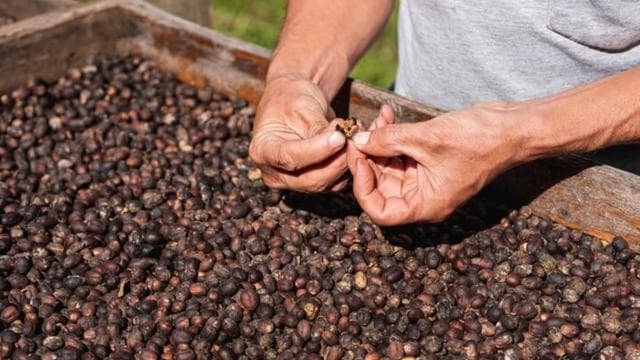
During the community visit, you can learn about cocoa farming and its connection to local life.
The experience helps travelers understand where ingredients come from and how agriculture connects people with the surrounding land. Instead of seeing cocoa only as a finished chocolate product, you can learn about it as a plant and agricultural resource.
This is particularly interesting for travelers who enjoy learning about food origins, sustainable living, traditional agriculture, and local production.
The lesson also reinforces one of the central themes of the Maleku experience: the close relationship between culture and nature.
The forest is not simply scenery.
It can provide food, materials, medicinal plants, and knowledge. Understanding this relationship can completely change the way you look at the tropical environment surrounding La Fortuna.
After exploring the community, the experience continues into the forest with a walk of approximately 600 meters.
This relatively short nature walk offers a different perspective on the Maleku relationship with the natural world.
Instead of focusing only on wildlife or scenery, the walk introduces travelers to medicinal plants and traditional knowledge associated with them.
For generations, Indigenous communities have developed detailed knowledge of local plants and their uses. This knowledge is built through observation, experience, and cultural transmission.
Walking through the forest with a knowledgeable guide allows you to begin understanding this relationship.
A plant that might appear ordinary to an unfamiliar visitor can have an entirely different significance when its traditional use is explained.
Leaves, bark, roots, flowers, and other natural materials can become part of stories about health, survival, food, and community knowledge.
This makes the forest walk particularly valuable for travelers who enjoy combining nature and culture in Costa Rica.
It is not a conventional hiking excursion focused on distance or physical challenge. Instead, the walk encourages curiosity and observation.
Look closely.
Listen to the forest.
Notice the plants around you.
Ask questions.
The more attention you give to the surroundings, the more meaningful the experience becomes.
The forest walk also introduces travelers to ancient Indigenous tombs.
These sites offer a powerful connection to the past and provide an opportunity to reflect on the people who lived in the region before modern tourism existed.
Burial traditions can reveal important aspects of a culture's beliefs, social structure, and relationship with ancestors. Learning about these practices through a knowledgeable guide can help visitors appreciate the depth of the region's history.
The experience is therefore not simply about observing an archaeological feature.
It is about understanding that the landscape itself can contain layers of memory.
A forest path can lead to evidence of generations that came before. A traditional practice can connect present-day community members with their ancestors. A language can preserve knowledge that might otherwise have disappeared.
These connections make the Maleku reserve visit especially meaningful for travelers interested in Costa Rican history, Indigenous heritage, anthropology, and cultural tourism.
Culture is best understood when it can be experienced through the senses.
During your visit, traditional activities may include music and other forms of cultural demonstration, helping bring the heritage of the Maleku people to life.
Music has an extraordinary ability to communicate emotion and identity even when you do not understand every word.
Traditional rhythms, instruments, songs, and performances can provide a glimpse into how cultural knowledge is expressed and shared.
Travelers may also have the opportunity to experience bow-and-arrow practice, adding an interactive element to the visit.
Activities like these can make the experience more memorable because they encourage travelers to participate rather than simply observe.
The goal is not to turn culture into a performance for tourists, but to create an opportunity for respectful learning and exchange.
Approach each activity with curiosity and respect, and you will gain much more from the experience.
La Fortuna is often associated with one unforgettable landmark: Arenal Volcano.
And while the volcano is an essential part of the region's identity, travelers who spend a little more time exploring can discover another side of northern Costa Rica.
The Maleku Indigenous Reserve offers precisely that opportunity.
Instead of spending another day moving between popular attractions, you can take a journey into the cultural landscape surrounding La Fortuna.
The approximately one-hour drive from La Fortuna becomes part of the experience. As you leave the main tourist center behind, the landscape gradually offers a different sense of northern Costa Rica.
The road leads toward a community where traditions, language, agriculture, crafts, and natural knowledge remain important parts of daily life.
For travelers who want to return home with stories rather than simply photographs, this type of experience can become one of the highlights of a Costa Rican vacation.
The day begins in La Fortuna at approximately 8:00 AM.
Starting in the morning allows you to make the most of the day while avoiding the need for a late return.
Your transportation is provided in an air-conditioned minivan with Wi-Fi, creating a comfortable environment for the journey to and from the reserve.
The approximately one-hour drive gives you time to settle into the day and enjoy the changing scenery.
A bilingual naturalist guide accompanies the experience, providing information in both English and Spanish and helping connect the different parts of the excursion.
A good guide can transform a visit.
Instead of simply pointing out objects or locations, the guide can explain why they matter, answer questions, provide cultural context, and help you understand what you are seeing.
That knowledge is especially valuable during a cultural experience because traditions can have meanings that are not immediately obvious to visitors.
Small-group travel offers an important advantage for cultural experiences.
Rather than feeling like part of a large crowd moving from one stop to another, a smaller group can create a more personal atmosphere.
There is more opportunity to listen.
More opportunity to ask questions.
More opportunity to notice small details.
And more opportunity for meaningful interaction.
The La Fortuna Small-Group Maleku Indigenous Reserve Visit is designed around this more intimate style of travel.
The experience is particularly appealing to couples, families, solo travelers, friends, and culturally curious visitors who prefer meaningful encounters over rushed sightseeing.
The smaller format can also make it easier to engage with your guide and participate in activities.
Whether you are learning about traditional crafts, asking about Maleku food, examining medicinal plants, or discussing the history of the reserve, personal interaction adds depth to the journey.
There are many ways to explore Costa Rica.
You can hike through rainforest.
You can visit waterfalls.
You can soak in thermal springs.
You can watch wildlife.
You can admire Arenal Volcano.
All of these experiences are worthwhile.
But cultural travel offers something different.
It helps answer questions that scenery alone cannot answer:
Who has lived on this land?
What traditions have survived?
How have communities adapted while maintaining cultural identity?
What knowledge has been passed from one generation to another?
How does the natural environment influence everyday life?
The Maleku Indigenous Reserve visit gives travelers an opportunity to explore these questions.
That is why it can complement an adventure-focused La Fortuna itinerary so well.
After days of hiking and outdoor activities, a cultural experience can provide a slower and more reflective way to experience the region.
Hospitality is one of the elements travelers frequently remember after a cultural experience.
The Maleku visit creates opportunities to meet members of the community and learn through direct interaction.
Rather than experiencing Costa Rica only through hotels, restaurants, and organized tourist attractions, you have an opportunity to encounter a local community in its own environment.
These moments can be simple.
A conversation.
A demonstration.
A shared meal.
A question about a traditional object.
A smile.
A story.
A musical performance.
Together, these moments create a sense of connection that is difficult to reproduce through a standard sightseeing itinerary.
Travel is often at its best when it creates these unexpected human connections.
You do not need to be an expert in history, anthropology, Indigenous studies, or Costa Rican culture to enjoy this tour.
You simply need curiosity.
If you enjoy learning how people live, where traditions come from, how food is prepared, how crafts are made, or how communities interact with nature, this experience offers plenty to discover.
It is equally suitable for travelers who have never visited an Indigenous community before.
Your guide helps provide context throughout the day, making the experience accessible and engaging.
Families can appreciate the interactive elements.
Couples can enjoy a meaningful shared experience.
Solo travelers can meet people and learn about a culture beyond the usual tourist route.
Photography enthusiasts can capture community life, crafts, forest landscapes, and cultural details.
Food lovers can enjoy a traditional meal.
Nature enthusiasts can explore medicinal plants and the forest environment.
History lovers can learn about ancestral burial practices and the cultural heritage of the Maleku people.
In other words, this is not a one-dimensional tour.
It brings together culture, nature, history, food, crafts, and human connection in one experience.
The location makes this tour especially convenient for travelers staying in La Fortuna.
You can enjoy a full cultural experience without having to relocate to another region of Costa Rica.
After your visit, you return to La Fortuna and can continue enjoying the area's other attractions.
This makes the tour easy to combine with a broader Arenal itinerary.
You might spend another day exploring the rainforest or walking beneath hanging bridges. You could visit a waterfall, relax in a thermal spring, explore Lake Arenal, or simply enjoy the restaurants and atmosphere of La Fortuna.
The Maleku experience adds cultural depth to all of those activities.
It reminds you that the destination is not only a collection of attractions.
It is a place with communities, history, traditions, and stories.
The strongest travel memories are often created when an experience changes the way you see a destination.
Before visiting the Maleku reserve, you may think of northern Costa Rica primarily in terms of Arenal Volcano and tropical rainforest.
After the experience, you may begin to see the same landscape differently.
You may notice plants and wonder about their traditional uses.
You may look at local crafts and think about the skills behind them.
You may appreciate the importance of language in cultural identity.
You may understand that the forest represents far more than a beautiful backdrop.
And when you sit down to enjoy a traditional Maleku lunch, you may recognize that food can be a form of cultural storytelling.
That is the lasting value of this journey.
It does not simply give you something to see.
It gives you something to understand.
One of the strongest features of this excursion is the way culture and nature are woven together.
The community and the surrounding forest are not separate parts of the experience.
They are connected.
Traditional knowledge of plants depends on knowledge of the environment.
Agriculture depends on the land.
Crafts can depend on natural materials.
Food depends on local ingredients.
Stories and traditions are shaped by place.
The forest walk therefore becomes more than a short hike. It becomes another chapter in the story of how the Maleku people relate to their surroundings.
For travelers interested in eco-cultural tourism in Costa Rica, this combination can be especially rewarding.
It demonstrates how responsible travel can include both appreciation for natural environments and respect for cultural heritage.
Bring your camera because there will be plenty of opportunities to capture meaningful moments.
Photographs can preserve the visual side of your journey—the landscapes, forest paths, community surroundings, traditional crafts, and details of the experience.
However, remember that cultural photography deserves the same respect as any other interaction with people.
When photographing individuals, demonstrations, homes, or personal cultural moments, always follow the guidance of your guide and ask permission when appropriate.
The most valuable photograph may not necessarily be the most dramatic one.
Sometimes a close-up of a handmade basket, a traditional instrument, a forest plant, or a shared meal can tell a richer story than a conventional tourist photograph.
The approximately one-hour journey to the Maleku reserve is made in an air-conditioned minivan with Wi-Fi.
This makes the tour particularly convenient for visitors who want to explore beyond La Fortuna without arranging their own transportation.
Transportation is part of the experience because it allows you to focus on the day rather than worrying about navigation, parking, or route planning.
You can relax during the drive, listen to your guide, enjoy the scenery, and prepare for the cultural experience ahead.
The same comfortable transportation brings you back toward La Fortuna after the tour.
The guide is an important part of this experience.
Cultural tourism depends heavily on context. Without explanation, a craft may simply look like an attractive object. A plant may look like another tropical plant. A traditional practice may appear unfamiliar or difficult to understand.
A knowledgeable guide helps connect these details to the larger story.
With bilingual guidance in English and Spanish, international travelers can engage more comfortably throughout the day.
You can ask questions, clarify details, learn about the Maleku people, and better understand the significance of what you encounter.
For travelers visiting Costa Rica for the first time, having an experienced guide can make the experience both easier and more rewarding.
After the community exploration and forest experience, the tour concludes with a traditional Maleku lunch.
This is an appropriate ending because food brings together many of the themes introduced throughout the day.
Agriculture.
Local ingredients.
Traditional preparation.
Community.
Hospitality.
Culture.
Instead of ending with a quick snack before jumping back into a vehicle, the meal gives travelers time to slow down and appreciate the experience.
It is an opportunity to reflect on what you have learned and enjoy the flavors of the region.
For many travelers, sharing or enjoying a traditional meal becomes one of the most personal memories of a cultural tour.
The tour is designed as a convenient cultural day experience, with key services included.
Your package includes:
Air-conditioned minivan transportation with Wi-Fi
Bilingual naturalist guide
Entrance fee to the Maleku Indigenous Reserve
Bottled water
Snacks
Traditional lunch
Insurance policy
Having these essentials included makes the experience straightforward and comfortable.
You do not need to arrange separate reserve admission or search for transportation to the community.
Instead, you can focus on the reason you came: learning about the Maleku people and experiencing their culture.
A little preparation can make your cultural adventure even more enjoyable.
Although this is not primarily a strenuous hiking excursion, you will walk through the community and take a forest trail of approximately 600 meters.
Comfortable walking shoes are therefore recommended.
Choose footwear that feels secure on natural surfaces and is suitable for warm, potentially humid conditions.
Costa Rica's tropical climate can bring strong sunshine, particularly during daytime outdoor activities.
A sun hat can provide additional comfort while walking through open areas and between different parts of the community.
Bring your camera or smartphone to preserve the memories of the experience.
Remember to respect community guidelines and ask permission before photographing people or culturally sensitive activities.
The Maleku Indigenous Reserve experience is especially suitable for travelers who want to understand Costa Rica beyond its famous landscapes.
If you enjoy history, traditions, local communities, crafts, food, and heritage, this tour offers a rich experience.
Families looking for an educational activity in La Fortuna can enjoy the interactive nature of the visit and the opportunity to learn about another culture together.
For couples, the experience offers something different from the usual adventure activities—a shared cultural journey filled with discovery and conversation.
Solo visitors can benefit from the small-group environment and knowledgeable guide while exploring a meaningful destination outside the standard tourist circuit.
Travelers who value cultural understanding and authentic local experiences may find this excursion particularly rewarding.
A trip to Costa Rica can be filled with adventure.
But a truly memorable vacation can also include moments of understanding.
The La Fortuna Small-Group Maleku Indigenous Reserve Visit gives you the opportunity to step away from the ordinary tourist route and discover the living cultural heritage of northern Costa Rica.
Walk through a Maleku community.
Learn about traditional crafts.
Discover cocoa farming.
Explore medicinal plants.
Hear about ancestral burial practices.
Experience traditional music and activities.
Enjoy an authentic Maleku meal.
And most importantly, take time to listen and learn.
This is the kind of experience that adds another dimension to a Costa Rica vacation.
You arrive as a visitor.
You leave with a deeper understanding of the people and traditions that help make this region unique.
The most rewarding journeys are not always the ones that take you the farthest.
Sometimes they are the ones that help you see a familiar destination from a completely new perspective.
The Maleku Indigenous Reserve near La Fortuna offers that perspective.
It connects travelers with a community whose cultural identity remains deeply connected to language, traditions, craftsmanship, food, and nature. The experience combines educational discovery with genuine hospitality and a gentle forest exploration, creating a balanced day for travelers who want both cultural enrichment and time outdoors.
From the moment you leave La Fortuna in the morning to the final traditional meal, each part of the journey adds another piece to the story.
And that story is worth discovering.
If your ideal Costa Rica vacation includes more than ticking famous attractions off a list, make room for an experience that allows you to connect with people, traditions, and place.
The La Fortuna Small-Group Maleku Indigenous Reserve Visit is an opportunity to discover the cultural heart of northern Costa Rica while enjoying the comfort of organized transportation, expert bilingual guidance, included entrance, snacks, bottled water, lunch, and insurance.
Whether this is your first visit to Costa Rica or you have already explored the country's famous natural attractions, the Maleku reserve offers something different: a chance to learn, participate, taste, observe, and connect.
Step beyond the typical La Fortuna itinerary.
Meet the heritage of the Maleku people.
Explore their community and surrounding forest.
Discover traditional knowledge.
Enjoy local cuisine.
And take home memories that go far beyond photographs.
Book your La Fortuna Maleku Indigenous Reserve experience and discover a deeper, more human side of Costa Rica.
The La Fortuna Small-Group Maleku Indigenous Reserve Visit is designed for travelers who want to experience Costa Rica through meaningful cultural encounters, local traditions, nature, and authentic food.
After discovering the heritage of the Maleku people, exploring Palenque Tonjibe, learning about traditional crafts, seeing medicinal plants, and enjoying a traditional meal, the journey provides a deeper understanding of northern Costa Rica.
This experience is not designed around rushing from one attraction to another. Instead, the day follows a relaxed progression that allows you to learn about the community, interact with its traditions, explore its natural surroundings, and appreciate the cultural significance of what you see.
From the morning departure in La Fortuna to the return journey, every stage contributes to the overall experience.
Your cultural adventure begins in La Fortuna at approximately 8:00 AM.
After meeting your tour team, you board a comfortable, air-conditioned minivan equipped with Wi-Fi and begin the journey toward the Maleku Indigenous Reserve.
The morning departure allows you to make good use of the day while enjoying the changing scenery between La Fortuna and the reserve.
During the drive, your bilingual naturalist guide can provide useful context about the region, the Maleku people, and the cultural experience ahead.
This part of the journey is also a chance to settle into a slower pace.
La Fortuna is a busy adventure destination, but the atmosphere changes as you travel away from the main tourist center. The road becomes part of the experience, connecting the popular Arenal area with a community where Indigenous traditions remain an important part of cultural identity.
The drive takes approximately one hour.
Rather than worrying about directions or transportation arrangements, you can relax and prepare for the day ahead.
After approximately one hour of travel, you arrive at Palenque Tonjibe, one of the communities associated with the Maleku Indigenous Reserve.
This is where the cultural experience truly begins.
The reserve covers approximately 2,993 hectares and includes the three principal communities of Margarita, Tonjibe, and El Sol.
Your visit focuses on Tonjibe and its surroundings, giving you an opportunity to learn about the community through guided exploration.
The first impression may be very different from the typical tourist attractions around La Fortuna.
There are no large amusement facilities or crowds of sightseeing buses.
Instead, the experience focuses on community life, cultural knowledge, traditional practices, and the relationship between people and their environment.
Your guide introduces you to the area and explains important aspects of Maleku heritage before you begin exploring.
The community walk gives you the opportunity to see elements of everyday life while learning about Maleku history and traditions.
As you move through the village, your guide helps explain how traditional practices have developed and how they continue to influence cultural identity.
You can learn about traditional homes and local artistic expressions while discovering details that might otherwise be easy to miss.
For visitors, walking through a community is very different from viewing cultural information in a museum.
Instead of seeing isolated objects behind glass, you experience the surroundings where traditions have meaning and context.
You can ask questions.
You can observe.
You can listen.
And you can connect individual details to the larger story of the Maleku people.
This makes the community walk one of the most educational parts of the tour.
Traditional homes offer an interesting window into the way communities have adapted to their environment.
During the visit, you can learn about traditional Maleku housing and the materials, design principles, and cultural ideas associated with traditional community life.
The purpose is not simply to look at buildings.
The guide helps explain how traditional living arrangements relate to the environment and to the community's history.
For travelers accustomed to modern urban life, this can be a fascinating contrast.
It demonstrates how architecture can reflect climate, available resources, lifestyle, and cultural values.
As you explore, take the opportunity to ask your guide about the differences between traditional and contemporary homes and how Maleku communities have changed over time.
The cultural experience continues with an introduction to traditional Maleku artistic practices.
Art is an important way communities preserve identity.
Patterns, materials, symbols, colors, objects, and techniques can carry stories and cultural meanings that are not immediately obvious to visitors.
During your visit, you can learn about traditional craftsmanship and see how skills are maintained through generations.
One of the activities associated with the experience is basket weaving.
Basket weaving provides an excellent example of how practical knowledge can become cultural heritage.
A finished basket may appear simple at first glance, but creating one requires knowledge of materials, preparation, structure, weaving techniques, and patience.
Seeing this process can change the way you think about handmade products.
Instead of seeing a craft as a souvenir, you begin to understand the knowledge and cultural history represented by the object.
Traditional clothing is another element that can reveal how cultural identity is expressed.
During the cultural experience, travelers can learn about traditional clothing creation and the role that clothing can play in preserving heritage.
Clothing can communicate identity, tradition, community membership, and artistic expression.
For travelers interested in cultural tourism, learning about these practices offers a richer perspective than simply taking photographs of traditional garments.
Your guide can help explain the context behind the clothing and how cultural traditions have been maintained in a changing world.
This is one of the reasons the experience works particularly well for visitors who want educational travel rather than conventional sightseeing.
Food becomes another important part of the cultural journey.
Traditional cooking methods provide a practical connection between culture and the environment.
Ingredients are influenced by what can be cultivated or gathered locally, while cooking techniques develop through generations of experience.
During the tour, you can learn about traditional Maleku cooking practices and how food forms part of community life.
This gives you a chance to understand the process behind the traditional meal you will later enjoy.
Rather than simply arriving at a restaurant and ordering a dish, you gain context about the food and its cultural background.
For food-focused travelers, this can be one of the most rewarding elements of the excursion.
Cocoa is another fascinating part of the cultural experience.
Costa Rica's tropical climate supports cocoa cultivation, and the plant has an important place in the country's agricultural and culinary traditions.
During your visit, you can learn about cocoa farming and gain a better understanding of the relationship between agriculture and community life.
The experience encourages you to think about food at its source.
Before cocoa becomes a finished ingredient, it begins as a plant that requires knowledge, care, and suitable environmental conditions.
Learning about the process can make your later experiences with chocolate and cocoa products more meaningful.
It also highlights the broader theme of the tour: the close connection between the natural environment and traditional knowledge.
Music adds an emotional dimension to cultural travel.
During your visit, you may experience traditional Maleku music and learn about the role of music in cultural expression.
Music can communicate stories, emotions, celebrations, memories, and identity.
Even when travelers do not speak the Maleku language, traditional sounds and rhythms can provide an immediate sense of connection.
The experience encourages you to listen carefully and appreciate the performance within its cultural context.
For many travelers, these moments become some of the most memorable photographs and stories from the trip.
The tour can also include an opportunity to learn about traditional bow-and-arrow practices.
This activity introduces another aspect of traditional knowledge and demonstrates the skills associated with Indigenous life.
For visitors, the experience can be engaging because it allows you to move beyond passive observation.
Instead of simply hearing about a traditional practice, you may have the opportunity to understand it through participation.
Follow your guide's instructions carefully and approach the activity with respect and curiosity.
The goal is not simply to master a technique during a short visit. It is to appreciate the knowledge and skills that form part of the cultural heritage being shared with you.
After exploring the community, the experience continues with an approximately 600-meter walk through the forest.
This section introduces another important dimension of Maleku heritage: traditional knowledge of the natural world.
The walk is not designed as a demanding trek.
Instead, it is a guided educational experience where the focus is on observation, plants, cultural knowledge, and the environment.
The tropical surroundings provide a natural classroom.
You may notice different leaves, trees, vines, plants, and other features of the forest while your guide explains their traditional significance.
This creates a strong connection between the cultural and natural elements of the excursion.
One of the most interesting aspects of the forest walk is the opportunity to discover medicinal plants.
Indigenous communities around the world have developed extensive knowledge of plants and their traditional uses, often through generations of observation and experience.
The Maleku are no exception.
During the guided walk, you can learn how certain plants have traditionally been recognized and used within the community.
This knowledge illustrates an important principle of Indigenous culture: nature can be a source of food, materials, medicine, stories, and knowledge.
The experience should be understood as cultural and educational rather than as medical advice. Traditional plant knowledge has its own cultural context, and visitors should never collect or consume plants without appropriate guidance.
For travelers interested in ethnobotany, nature, and traditional knowledge, this part of the tour can be particularly fascinating.
The forest also contains traces of the past.
During the walk, you can discover ancient Indigenous tombs and learn about traditional burial practices.
This portion of the experience introduces a more reflective side of Maleku history.
Burial traditions can provide important insights into how communities understand family, ancestry, death, memory, and spiritual life.
Your guide helps provide context so that visitors can appreciate these sites respectfully.
The experience is a reminder that landscapes can preserve history.
The forest is not simply a collection of trees and plants. It can contain evidence of generations who lived in the region long before modern tourism.
After the cultural exploration and forest walk, it is time to enjoy a traditional Maleku lunch.
The meal provides a natural conclusion to the cultural experience.
By this point in the day, you have learned about the community, crafts, cooking, agriculture, cocoa, medicinal plants, and traditional practices.
Now you can experience part of that cultural heritage through food.
A traditional meal is also an opportunity to appreciate local hospitality.
Take your time.
Notice the ingredients.
Think about the connection between food and agriculture.
Reflect on the traditions you have learned about during the morning.
Food can turn an educational experience into a personal memory, and the traditional lunch helps make this excursion more than a sightseeing trip.
After lunch and the completion of the cultural activities, you begin the return journey toward La Fortuna.
The same comfortable transportation provides an easy way back after your morning and early afternoon exploration.
The journey also gives you time to reflect on the experience.
Perhaps the basket weaving demonstration stood out to you.
Perhaps the forest walk changed how you think about medicinal plants.
Perhaps the traditional lunch was your favorite part.
Or perhaps meeting members of the Maleku community was the moment you will remember most.
Whatever stays with you, the return drive gives you a quiet transition from the cultural reserve back into the atmosphere of La Fortuna.
Many Costa Rica tours focus on scenery and adventure.
This experience adds something different.
Instead of simply photographing a volcano or walking along a rainforest trail, you can learn about the people whose cultural history is connected to northern Costa Rica.
That makes this tour an excellent choice for travelers who want a more complete understanding of the destination.
Cultural tourism is most rewarding when travelers have opportunities to learn from local communities.
The Maleku reserve visit focuses on cultural knowledge, traditional activities, food, craftsmanship, and the environment.
The result is an experience built around understanding rather than simply observing.
It gives you the opportunity to return home with stories about people and traditions, not just places.
One of the strongest advantages of this tour is its combination of cultural exploration and nature.
You begin with a community visit and continue into the forest.
You learn about crafts and then discover medicinal plants.
You explore traditional food practices and then enjoy a traditional meal.
The different parts of the day complement each other.
This makes the tour particularly appealing to travelers who do not want to choose between a cultural excursion and a nature experience.
The small-group format creates a more intimate travel experience.
A smaller group can make it easier to hear your guide, ask questions, participate in activities, and appreciate the surroundings.
It can also reduce the feeling of being rushed.
For a cultural experience, this matters.
You want time to listen and observe.
You want to understand the meaning behind what you see.
You want the opportunity to ask questions.
The small-group approach supports that style of travel.
One of the biggest advantages is the included transportation.
Travelers staying in La Fortuna do not need to arrange their own route to the reserve.
The air-conditioned minivan takes care of the journey, allowing you to concentrate on enjoying the day.
The reserve entrance fee is included in the tour.
This keeps the experience straightforward and reduces the need to organize separate admission.
Having a bilingual naturalist guide throughout the experience means you can receive explanations, ask questions, and better understand the cultural and natural elements of the tour.
The guide helps connect the different activities into one coherent story.
You do not need to plan a separate lunch stop.
The tour includes a traditional lunch, along with bottled water and snacks.
This makes the day more convenient and allows you to remain focused on the experience.
An insurance policy is included as part of the tour package, adding another layer of reassurance while you enjoy the organized experience.
If learning about Indigenous communities is one of your travel priorities, this excursion is an excellent choice.
You will have the opportunity to learn about Maleku traditions, language, food, crafts, music, community life, and relationships with nature.
Families can turn a Costa Rica vacation into a learning experience through cultural exploration.
Children can see traditional crafts, hear about Indigenous traditions, discover plants, learn about cocoa, and experience a different cultural perspective.
Parents can use the experience as an opportunity to encourage curiosity and respectful cultural understanding.
Couples often look for experiences that create shared memories.
A cultural tour provides plenty of opportunities for conversation and discovery.
Instead of simply spending another day at a conventional attraction, you can learn something together and share an experience that has a lasting story behind it.
Solo travelers can benefit from the organized transportation, small-group environment, and knowledgeable guide.
You can explore without worrying about navigation while still enjoying opportunities to interact with other travelers and learn from the local community.
The tour is a good option for travelers who prefer learning and cultural discovery over highly strenuous adventure activities.
Although walking is involved, the approximately 600-meter forest section is relatively short, and the focus is on education and observation rather than endurance.
Travelers should nevertheless be comfortable walking on natural terrain.
Your footwear should be suitable for both community walking and the forest trail.
Comfortable closed-toe walking shoes are a practical choice, particularly if the trail is damp after rainfall.
Avoid uncomfortable footwear that could make a relatively short walk unnecessarily difficult.
A sun hat is specifically recommended.
You may also find sunscreen and sunglasses useful for daytime travel in Costa Rica.
Northern Costa Rica can be warm and humid, and weather conditions can change.
Light, breathable clothing is generally comfortable.
A lightweight rain layer can also be useful during the wetter months.
There are many memorable cultural and natural details throughout the experience.
Bring your camera or smartphone, but remember that cultural sensitivity comes first.
Always follow your guide's instructions regarding photography.
A cultural tour is different from a standard sightseeing excursion.
You may encounter traditions, practices, foods, or perspectives that are unfamiliar.
Approach the experience with curiosity rather than judgment.
Ask respectful questions.
Listen carefully.
Allow the community to introduce its traditions in its own context.
This attitude can transform a good cultural tour into a genuinely meaningful one.
Responsible tourism begins with respect.
You are entering a living community, not simply visiting a tourist attraction.
Treat local people with the same courtesy you would expect in your own community.
Always respect individual privacy.
If you want to photograph a person, ask permission when appropriate.
Your guide can explain which areas, activities, objects, or practices require special consideration.
Some objects may have cultural, historical, or personal significance.
Wait for an invitation before touching anything that is being demonstrated.
The forest contains culturally and environmentally important resources.
Do not remove plants, stones, flowers, artifacts, or other materials.
If traditional crafts or local products are available, purchasing them responsibly can provide direct support for cultural preservation and community livelihoods.
A family vacation in Costa Rica does not need to consist entirely of adrenaline-filled activities.
Children can benefit enormously from experiences that introduce them to different cultures and ways of life.
The Maleku tour offers several naturally engaging elements:
Traditional crafts
Music
Food
Cocoa
Medicinal plants
Forest exploration
Indigenous history
Traditional bow-and-arrow activities
These activities can make cultural education feel interactive rather than classroom-based.
Parents can encourage children to ask questions and observe how traditions are connected to the environment.
The experience also creates an opportunity to discuss respect, cultural diversity, sustainability, and the importance of preserving heritage.
The Maleku reserve experience is primarily a cultural and educational tour, not a strenuous hiking adventure.
There is walking involved, including an approximately 600-meter forest walk.
The most important requirement is therefore basic walking comfort rather than advanced fitness.
Travelers should be prepared for tropical conditions, uneven natural surfaces, and outdoor walking.
Comfortable shoes are recommended.
If you have specific mobility concerns, it is sensible to confirm the current accessibility arrangements before booking.
A well-rounded La Fortuna vacation can include adventure, relaxation, wildlife, nature, food, and culture.
The Maleku Indigenous Reserve experience fits naturally into that combination.
You might spend one day exploring Arenal's natural attractions.
Another day could involve rainforest adventure.
Then you can dedicate a day to understanding the region's Indigenous heritage.
This creates a more balanced vacation.
Rather than experiencing Costa Rica only as an adventure destination, you experience it as a country shaped by landscapes and people.
Costa Rica's international reputation is built around biodiversity, conservation, volcanoes, beaches, rainforests, and adventure.
Those elements are important.
But they represent only part of the country's story.
Indigenous communities are also part of Costa Rica's cultural identity.
The Maleku experience allows travelers to explore this side of the country in a direct and engaging way.
You can learn how cultural knowledge survives.
You can see how traditions adapt.
You can discover how people relate to natural resources.
You can taste traditional food.
And you can gain a greater appreciation for the cultural diversity that exists within Costa Rica.
A successful tour does not necessarily have to be the biggest or most dramatic.
Sometimes the most memorable experiences are the ones that make you stop and think.
The Maleku Indigenous Reserve visit can create those moments.
A traditional basket may make you wonder how long the technique took to master.
A medicinal plant may make you look differently at the forest.
A traditional meal may introduce you to flavors you would never have discovered on your own.
A conversation may give you a perspective you had never considered.
An ancient tomb may remind you that the history of the region extends far beyond modern tourism.
These moments create emotional value.
And emotional value is what often turns a travel activity into a lasting memory.
If you are staying in La Fortuna and want to experience something beyond the usual Arenal Volcano attractions, the Maleku Indigenous Reserve offers a meaningful alternative.
With morning transportation, bilingual naturalist guidance, reserve admission, snacks, bottled water, traditional lunch, and insurance included, the experience is designed to make cultural exploration convenient and enjoyable.
You can spend the day learning about a unique Indigenous heritage while enjoying the natural surroundings of northern Costa Rica.
From traditional crafts and cooking to medicinal plants and ancestral history, every part of the experience contributes to a broader understanding of the Maleku people.
Your Costa Rica vacation should be more than a collection of photographs.
Make time for an experience that allows you to listen, learn, taste, explore, and connect.
The La Fortuna Small-Group Maleku Indigenous Reserve Visit offers an opportunity to discover the traditions and daily life of the Maleku people while exploring their community and surrounding natural environment.
Travel from La Fortuna to Palenque Tonjibe.
Learn about Maleku homes, crafts, cocoa, clothing, and cooking.
Experience traditional music and cultural activities.
Walk through the forest and discover medicinal plants.
Learn about ancient Indigenous tombs and ancestral traditions.
Enjoy a traditional Maleku lunch.
Then return to La Fortuna with a richer understanding of Costa Rica.
If authentic cultural experiences are an important part of your travel plans, this tour deserves a place on your La Fortuna itinerary.
It offers a rare opportunity to move beyond the familiar tourist route and experience a living cultural heritage in a respectful, guided setting.
Book your Maleku Indigenous Reserve visit from La Fortuna today and discover the traditions, stories, food, craftsmanship, and natural knowledge that make this corner of Costa Rica truly unforgettable.
Arenal Volcano may capture your attention.
The rainforest may amaze you.
The waterfalls may excite you.
But meeting a community and learning about its heritage can change the way you remember the entire destination.
The Maleku Indigenous Reserve experience invites you to travel more thoughtfully—to look beyond attractions and discover the people, traditions, and knowledge that give a place its identity.
Come with curiosity.
Walk with respect.
Listen to the stories.
Taste the traditions.
Explore the forest.
Learn from the community.
And leave La Fortuna with a deeper connection to Costa Rica.
The Maleku Indigenous Reserve is waiting to become one of the most meaningful chapters of your Costa Rican adventure.
The Maleku Indigenous Reserve tour is a cultural experience that takes travelers from La Fortuna to the Maleku community of Palenque Tonjibe in northern Costa Rica. The experience introduces visitors to Maleku traditions, crafts, cooking, agriculture, medicinal plants, music, ancestral history, and daily life. Travelers also enjoy a traditional Maleku lunch before returning to La Fortuna.
The experience is designed as a full cultural excursion from La Fortuna, with the tour beginning at approximately 8:00 AM. The journey to the reserve takes around one hour, followed by community exploration, cultural activities, a forest walk, and lunch before returning to La Fortuna. Travelers should plan for a substantial part of the day for the complete experience.
The tour starts in La Fortuna at approximately 8:00 AM. Starting in the morning gives travelers enough time to explore the Maleku community, participate in the planned activities, enjoy the forest experience, and have lunch before returning.
The journey from La Fortuna to the Maleku Indigenous Reserve takes approximately one hour by vehicle. Transportation is provided in an air-conditioned minivan, allowing travelers to relax during the journey rather than arranging their own transportation.
The experience focuses on Palenque Tonjibe, one of the three principal Maleku communities. The Maleku Indigenous Reserve encompasses approximately 2,993 hectares and includes Margarita, Tonjibe, and El Sol.
Travelers can learn about many aspects of Maleku heritage, including traditional crafts, cooking methods, clothing creation, cocoa farming, music, medicinal plants, burial practices, community life, and the Maleku relationship with the surrounding natural environment.
Yes. Traditional craftsmanship is an important part of the experience. Travelers can learn about techniques such as basket weaving and discover how traditional skills and artistic knowledge have been passed between generations.
Yes. A traditional Maleku lunch is included in the tour. The meal provides an opportunity to experience local food as part of the broader cultural journey.
Yes. The tour package includes bottled water and snacks, helping travelers stay comfortable throughout the day's activities.
Yes. Transportation from La Fortuna is included in an air-conditioned minivan with Wi-Fi. This provides a convenient and comfortable way to travel to and from the Maleku Indigenous Reserve.
Yes. A bilingual naturalist guide accompanies the experience. The guide helps explain the cultural, historical, and natural elements of the tour and provides context throughout the visit.
Yes. The entrance fee to the reserve is included in the tour package, so travelers do not need to arrange separate admission.
Yes. An insurance policy is included as part of the tour package.
The experience can be a good choice for families interested in educational and cultural travel. Children can discover traditional crafts, music, food, cocoa farming, medicinal plants, and Indigenous history. Parents should consider that the tour includes walking and outdoor activities and should ensure children are comfortable with the tropical environment.
The tour can be suitable for active seniors who are comfortable walking through a community and along a relatively short forest trail. The forest walk is approximately 600 meters, but natural terrain and tropical conditions should be considered. Travelers with specific mobility requirements should confirm current accessibility arrangements before booking.
The tour includes walking through the Maleku community and an approximately 600-meter forest walk. It is primarily a cultural and educational experience rather than a strenuous hiking excursion. Comfortable walking shoes are recommended.
Wear comfortable, lightweight clothing suitable for Costa Rica's tropical climate. Comfortable walking shoes are recommended because the experience includes community walking and a forest trail. A sun hat is also recommended for protection from the sun.
Yes. A camera or smartphone is recommended because the experience includes cultural, natural, and scenic moments worth remembering. However, always respect local privacy and cultural guidelines. Ask permission before photographing people or culturally sensitive activities.
Costa Rica has a tropical climate, so rain can occur, particularly during the wetter season. Travelers should be prepared for changing weather conditions. A lightweight rain jacket or waterproof layer can be useful. Specific cancellation or weather-related arrangements may depend on the tour operator's current policy.
Bathroom availability can vary by location and activity. Travelers should use available facilities before beginning the forest portion of the experience and follow the guide's instructions regarding facilities within the community.
After completing your reservation, our concierge team will contact you directly via WhatsApp / Email to re-confirm your exact hotel pickup time or meeting point.
If you selected a central meeting point during your booking, please note that your reservation is confirmed — arrive at the scheduled departure time.