Monteverde: Exploration of the Cloud Forest
5.0(75)
From
View Details$31
Corcovado National Park Guided Hiking Tour – Full-Day Rainforest & Wildlife Adventure
Imagine leaving the coast early in the morning as the first light begins to spread across the Pacific, boarding a boat and heading toward one of the most extraordinary wilderness areas in Costa Rica. Ahead lies a landscape of towering rainforest, remote beaches, winding trails, ancient trees, tropical rivers, and wildlife that exists far from the noise and crowds of everyday life.
This Corcovado National Park Guided Hiking Tour is a full-day adventure created for travelers who want to experience Costa Rica beyond the typical sightseeing route. Rather than simply viewing the rainforest from a distance, you will travel into one of the country's most protected natural environments with an experienced bilingual guide who can help you understand the plants, animals, ecosystems, and remarkable natural history surrounding you.
Your journey combines several unforgettable experiences in one day: a scenic boat ride, rainforest hiking, coastal landscapes, wildlife observation, a relaxing lunch break, and the opportunity to spend meaningful time inside the extraordinary wilderness of Corcovado National Park on the Osa Peninsula.
Corcovado is located in southwestern Costa Rica and is recognized for its exceptional biological richness. Official Costa Rican tourism and conservation information describes the park as containing extensive primary forest and numerous ecosystems that support remarkable biodiversity, including hundreds of bird species and a wide range of mammals, reptiles, amphibians, fish, and insects.
For nature lovers, wildlife enthusiasts, photographers, hikers, couples, families, and adventurous travelers, this full-day Corcovado experience offers a rare chance to slow down, reconnect with nature, and explore a landscape where the rainforest remains the main attraction.
Corcovado National Park is not an ordinary destination.
It is a place where the boundary between forest and ocean feels almost nonexistent. Dense tropical vegetation reaches toward the coastline, rivers move through ancient forest, and wildlife can appear unexpectedly along the trail. Every section of the journey has something different to reveal.
The adventure begins early, which is an important part of the experience. Morning conditions can be particularly rewarding for wildlife observation, while an early departure allows you to make the most of your full day in the park.
Instead of spending the entire day in a vehicle, you travel by boat toward the wilderness before continuing on foot. The approximately 1.5-hour boat journey becomes part of the adventure itself, transforming the transfer into a scenic experience across the waters around the Osa Peninsula.
As the boat moves toward Corcovado, keep your eyes open. Depending on the season and marine conditions, travelers may have opportunities to observe dolphins, whales, seabirds, and other marine life. Wildlife sightings are naturally unpredictable, but that uncertainty is part of what makes a journey into a wild environment so exciting.
Then comes the moment when the landscape changes.
The boat approaches the remote coastline, and the rainforest begins to dominate the view. This is your introduction to Corcovado.
Once you arrive, your certified or qualified naturalist guide leads you into the forest and helps transform what might initially look like a wall of green vegetation into a living ecosystem filled with stories.
A fallen tree becomes evidence of the rainforest's natural cycle.
A distant call becomes a clue that birds or monkeys may be nearby.
A movement high in the canopy may reveal an animal that would be easy to miss without an experienced guide.
A small footprint or disturbed vegetation may provide evidence of wildlife that passed through only moments earlier.
This is the difference between simply visiting a rainforest and truly exploring one.
Walking is one of the best ways to experience Corcovado because the rainforest reveals itself gradually.
The trails allow you to move at a pace that encourages observation rather than simply rushing from one attraction to another. With your guide leading the way, you can stop to examine plants, listen for wildlife, identify bird calls, learn about rainforest ecology, and appreciate details that would be easy to overlook on your own.
The experience can include lush jungle trails, coastal environments, tropical vegetation, and remote beach landscapes. Conditions can vary because Corcovado is a genuine tropical rainforest environment rather than a landscaped tourist attraction.
You may encounter muddy or wet sections, uneven ground, exposed roots, changing terrain, and humid conditions. That natural character is precisely what makes the adventure so memorable.
Official park information identifies multiple visitor sectors in Corcovado, including Sirena, San Pedrillo, La Leona, Los Patos, Los Planes, and El Tigre. The available trails and access conditions vary by sector and can be affected by weather and park management decisions.
This means your Corcovado experience is not simply about checking a location off a list.
It is about entering a living ecosystem.
One of the biggest reasons travelers choose a Corcovado National Park hiking tour is the extraordinary diversity of life found throughout the region.
The Osa Peninsula is famous among nature travelers because its forests support an exceptional variety of species. Official Costa Rican tourism information notes that Corcovado and the Osa Peninsula are home to hundreds of bird species, more than one hundred mammal species, numerous reptiles and amphibians, freshwater fish, and thousands of insects.
You may encounter some of Costa Rica's most recognizable rainforest animals during the hike.
Possible wildlife sightings include:
Howler monkeys
Spider monkeys
White-faced capuchin monkeys
Squirrel monkeys
Sloths
Tapirs
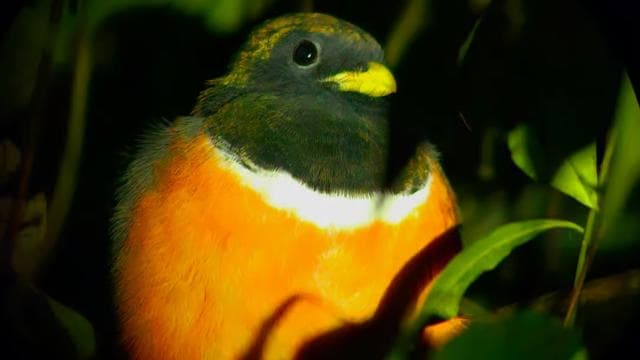
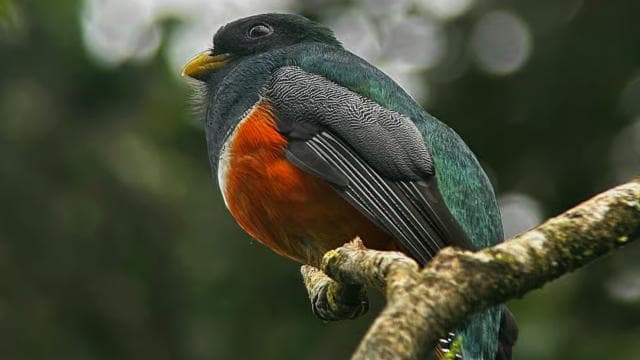
Tropical birds
Scarlet macaws
Toucans
Reptiles
Amphibians
Butterflies
Insects and other rainforest species
Wild animals are never guaranteed, and responsible wildlife tourism should always respect animals by observing them from an appropriate distance.
That unpredictability, however, makes every sighting more meaningful.
You might hear monkeys calling before you see them.
You might notice a flash of bright red as a scarlet macaw crosses the sky.
You might see movement in the branches above the trail.
You might discover a sloth resting quietly among leaves.
Or you may simply walk for several minutes surrounded by rainforest sounds, realizing that countless creatures are present even when they remain hidden from view.
Your guide's experience can make a major difference in these moments. Naturalist guides understand the behavior of wildlife and know what signs to look for, helping travelers become more attentive observers of the forest.
Monkeys are among the wildlife encounters travelers most hope to experience in Corcovado.
The rainforest canopy creates a world above the trail that is easy to overlook when you are focused on the ground. Your guide may encourage you to look upward, listen carefully, and watch for movement among the branches.
Howler monkeys can sometimes announce their presence through powerful calls that travel surprisingly far through the forest.
White-faced capuchins can be active and curious, moving through branches in search of food.
Spider monkeys may be spotted higher in the canopy, where their agility makes them fascinating to observe.
Squirrel monkeys are another possible encounter, particularly in suitable habitat and depending on conditions.
The goal is not simply to photograph an animal.
It is to understand that the forest belongs to these creatures.
The Baird's tapir is one of the iconic mammals associated with Costa Rica's tropical forests, and seeing one in the wild can become one of the defining memories of a Corcovado adventure.
Tapirs can be elusive, so a sighting is never something that should be promised. Instead, travelers should approach the experience with patience and realistic expectations.
Your guide may point out tracks, feeding signs, trails through vegetation, or other clues that reveal animal activity.
This is one of the reasons a guided hike is so rewarding.
The rainforest is full of information, but it does not always speak loudly.
An experienced guide can help you recognize the quiet details.
A broken branch.
A footprint in soft ground.
A bird call.
A particular plant.
A movement in the leaves.
A distant sound.
Together, these small discoveries turn the hike into an immersive nature experience.
For bird lovers and photographers, Corcovado offers another reason to explore slowly.
The park's forests and coastal environments support an impressive variety of birdlife. Official Costa Rican information reports approximately 375 bird species in Corcovado and the Osa Peninsula, including species native to the area.
Depending on the location, season, weather, and luck, travelers may encounter colorful tropical birds such as scarlet macaws and toucans, along with many less conspicuous species.
Some birds may be easy to see.
Others may only reveal themselves through sound.
This makes binoculars especially useful for travelers interested in birdwatching.
Bring your camera if photography is important to you, but remember that the best wildlife experience does not always produce the perfect photograph. Sometimes the most memorable moment is simply standing quietly while a bird moves through the canopy or listening to the rainforest around you.
Corcovado is more than its wildlife.
The forest itself is one of the main reasons to visit.
Towering trees compete for sunlight above the canopy while smaller plants occupy the layers below. Vines, palms, ferns, mosses, flowers, roots, fungi, and fallen vegetation create a complex environment in which almost every surface plays a role.
As you walk, your guide can explain how the rainforest functions as an interconnected system.
You may learn why certain trees grow so tall, how plants compete for sunlight, how animals distribute seeds, why rivers are important to the ecosystem, and how the forest regenerates after trees fall.
The experience becomes educational without feeling like a classroom.
You learn because you are surrounded by the subject.
Instead of reading about tropical biodiversity, you are standing inside it.
Instead of looking at pictures of rainforest trees, you are walking beneath them.
Instead of hearing about Costa Rica's conservation efforts, you are experiencing one of the country's protected natural landscapes firsthand.
One of the special qualities of this Corcovado hiking experience is the contrast between rainforest and coast.
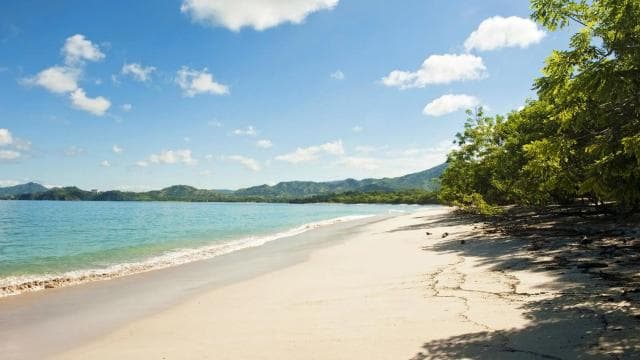
Few landscapes are as dramatic as a tropical forest that meets the Pacific.
One moment you may be surrounded by dense vegetation, and shortly afterward the trail can open toward a beach or coastal landscape.
The combination creates a visual experience that feels distinctly Costa Rican.
You can hear the forest behind you while waves roll along the shore.
You can feel the humidity of the jungle and then notice the open breeze near the coast.
You can move from shaded rainforest trails into brighter coastal surroundings.
These transitions make the hiking experience more varied and give you opportunities for photography, observation, and quiet moments of appreciation.
Official information on Corcovado highlights several sectors where trails connect rainforest and coastal environments, including La Leona, which provides access along the beach toward the Sirena area.
The boat transfer is not simply transportation.
It is one of the defining elements of this full-day Corcovado experience.
After departing early, you travel by boat for approximately 1.5 hours toward the park area. During the journey, the scenery gradually shifts from coastal settlements and familiar surroundings toward increasingly remote landscapes.
The water provides a completely different perspective of the Osa Peninsula.
Look toward the coastline.
Watch the horizon.
Keep your camera ready.
And remain alert for marine wildlife.
Depending on the time of year and sea conditions, dolphins or whales may potentially be observed along the route. These encounters are naturally dependent on wildlife behavior and cannot be guaranteed, but even without a sighting, the boat journey offers beautiful coastal scenery and a peaceful beginning to the day.
The boat also gives you time to appreciate how remote Corcovado can feel.
As the rainforest coastline comes closer, the sense of leaving ordinary life behind becomes increasingly strong.
A rainforest becomes much more fascinating when you understand what you are seeing.
That is why this tour includes a local bilingual guide.
Rather than simply leading the way along a trail, your guide helps interpret the environment around you. The guide can explain wildlife behavior, identify plants and birds, discuss rainforest ecosystems, and share information about the area's natural heritage.
For international visitors, having a bilingual guide can also make the experience easier and more engaging.
You can ask questions throughout the hike.
Why is that tree important?
What made that sound?
Where do monkeys sleep?
How does the rainforest receive so much water?
What animals live near the river?
Why are some plants growing on other trees?
How does wildlife move through the forest?
These conversations turn the hike into a deeper learning experience.
The result is not simply a day spent walking through a beautiful place. It becomes a day in which you gain a better understanding of why Corcovado matters.
After spending the morning exploring rainforest trails and searching for wildlife, lunch provides a welcome opportunity to slow down.
The tour includes lunch at the park station, giving you time to rest, recharge, and enjoy a meal before continuing your adventure.
A midday break is especially valuable during a tropical hiking experience.
The combination of heat, humidity, walking, and constant observation can be surprisingly demanding, even for experienced travelers.
Use the break to drink water, relax your legs, talk with your guide and fellow travelers, and reflect on what you have already experienced.
Perhaps you saw monkeys.
Perhaps you photographed birds.
Perhaps you spotted a sloth.
Perhaps you simply enjoyed walking through ancient forest.
Whatever your morning brought, lunch provides a natural pause before the final part of the day's exploration.
Costa Rica has many beautiful natural destinations, but Corcovado offers a particular sense of remoteness.
The experience is not centered around artificial attractions, large visitor facilities, or highly developed entertainment.
Instead, the rainforest is the attraction.
The wildlife is the attraction.
The coastline is the attraction.
The silence between bird calls is the attraction.
The feeling of standing beneath enormous tropical trees is the attraction.
Official park information notes that Corcovado contains areas that have remained largely undisturbed, helping support species that depend on the tranquility of forest habitat.
That sense of wildness is precisely what many travelers are searching for when they choose a Corcovado National Park tour.
You are not simply visiting a famous place.
You are entering an ecosystem.
If wildlife photography is one of your travel priorities, this tour offers plenty of reasons to bring your camera.
The changing environments provide a variety of subjects.
Rainforest landscapes.
Coastal views.
Birds.
Monkeys.
Sloths.
Plants.
Insects.
Trees.
Rivers.
Beaches.
The best strategy is to remain patient.
Wildlife photography in a tropical forest is very different from photographing animals in a zoo. There are no guarantees that a particular species will appear at a particular moment.
Instead, you have to observe.
Listen.
Wait.
Move slowly.
And allow your guide to help you identify opportunities.
A camera with a useful zoom lens can be helpful for wildlife, while a wide-angle lens can capture the scale of the rainforest.
Even if you do not capture the perfect photograph, the visual memories of the experience can stay with you for years.
This is a tour for travelers who want more than passive sightseeing.
You will walk.
You will spend hours outdoors.
You will encounter humid rainforest conditions.
You may experience mud, uneven trails, wet vegetation, or changing weather.
And you will be surrounded by genuine wilderness.
That makes the Corcovado guided hiking tour especially appealing to adventurous travelers who enjoy active experiences.
At the same time, you do not need to be an extreme mountaineer.
The experience is structured around guided nature exploration rather than technical climbing or specialized adventure sports.
A reasonable level of walking fitness, comfortable footwear, hydration, and preparation for tropical weather are important.
If you enjoy spending time outdoors and are comfortable with a full day of nature exploration, the experience can be incredibly rewarding.
One of the most memorable parts of Corcovado may be something you cannot photograph.
The sound.
The rainforest is constantly alive.
Bird calls move through the canopy.
Insects create a continuous background rhythm.
Leaves move in the breeze.
Monkeys may call from somewhere in the distance.
Water flows through streams and rivers.
Waves break along the coast.
And between those sounds, there can be moments of extraordinary stillness.
Walking through the forest gives you an opportunity to experience nature through more than sight.
Close your eyes for a moment.
Listen.
Then open them and look again.
You may begin noticing details that you would have missed while rushing through the trail.
That slower pace is one of the great rewards of a guided rainforest hike.
There is no single moment that defines a Corcovado National Park adventure.
Instead, the experience is made up of dozens of small moments.
The first view of the rainforest from the boat.
The first step onto the trail.
The first unusual bird call.
The first monkey moving overhead.
The first glimpse of the Pacific through the trees.
A guide explaining an unusual plant.
A quiet moment beside the forest.
Lunch after a rewarding morning hike.
The final walk back toward the boat.
And the return journey when you look back toward the coastline and realize how far you traveled into the wilderness that morning.
This is what makes the tour memorable.
It is not simply one attraction.
It is an entire day of discovery.
Costa Rica is internationally known for its natural beauty, biodiversity, protected areas, and outdoor adventures.
But experiencing that nature firsthand is very different from simply hearing about it.
A full-day Corcovado hiking experience lets you slow down and become part of the environment for a few hours.
You can walk beneath tropical forest.
Observe wildlife.
Learn from a local guide.
Enjoy the coast.
Travel by boat.
Eat lunch surrounded by nature.
And return home with a deeper appreciation for the country's extraordinary ecosystems.
For travelers who value meaningful experiences over rushed sightseeing, this is one of the most rewarding ways to experience the Osa Peninsula.
A great wildlife experience should also be a responsible one.
Corcovado is a protected national park, and visitors are expected to respect its rules and natural environment. Official park guidance emphasizes staying on established trails, not feeding or touching wildlife, respecting visitation regulations, protecting personal belongings, and removing garbage from the park.
During your hike, never attempt to approach an animal for a closer photograph.
Do not call wildlife toward you.
Do not feed animals.
Do not touch plants or animals unnecessarily.
And follow your guide's instructions.
These simple practices help protect the environment while allowing future travelers to experience the same wilderness.
Responsible travel is not an additional part of the adventure.
It is part of the adventure.
Corcovado is beautiful because it is wild, but that also means the environment can be challenging.
The Osa Peninsula has a hot, humid, and rainy tropical climate. Official park information identifies a rainy season from approximately May through November and a drier season from December through April, although tropical weather can change and rain remains possible.
Rain should not automatically be considered a bad thing.
In a rainforest, rain is part of the ecosystem.
A shower can make the forest feel even more alive, intensifying the green vegetation and filling the air with fresh tropical scents.
However, travelers should prepare accordingly.
Wear clothing that dries relatively quickly.
Protect electronics and important documents.
Use a waterproof bag or dry pouch.
Wear suitable closed footwear.
Bring insect repellent and sun protection.
And carry sufficient drinking water.
The official park recommendations similarly advise comfortable quick-drying clothing, hiking footwear, a backpack, water, insect repellent, sunscreen, and protection for belongings from rain.
A successful rainforest adventure begins with good preparation.
Bring comfortable hiking shoes or sturdy walking shoes with good traction. Trails can become wet or muddy, so footwear should be suitable for uneven tropical terrain.
Lightweight clothing is recommended because the climate can be warm and humid.
A hat and sunscreen are useful during exposed coastal sections, while insect repellent can make the rainforest experience more comfortable.
A reusable water bottle is essential.
A camera or binoculars can significantly improve your wildlife observation experience.
A waterproof bag or dry pouch is strongly recommended for phones, cameras, passports, cash, and other valuables.
The official park guidance recommends carrying water, hiking boots, a backpack, insect repellent, sunscreen, sunglasses, and protection for belongings from rain.
Most importantly, bring curiosity.
The rainforest rewards travelers who are willing to slow down and observe.
Some travel experiences are exciting because they are fast.
Others are memorable because they make you feel small.
Corcovado belongs to the second category.
Standing beneath enormous trees, listening to unfamiliar bird calls, watching monkeys move through the canopy, and seeing the rainforest stretch toward the Pacific can create a powerful sense of perspective.
For a few hours, your schedule becomes simple.
Walk.
Observe.
Listen.
Learn.
Rest.
Explore.
Repeat.
There are no city streets.
No office notifications.
No traffic.
No rush.
Only the forest, the coast, your companions, and the rhythm of the natural world.
That feeling is increasingly rare.
And it is one of the reasons travelers remember Corcovado long after they return home.
A Costa Rica vacation can include beaches, volcanoes, waterfalls, hot springs, forests, coffee farms, and many other attractions.
But if you want to experience the country's wild side, Corcovado National Park deserves a place near the top of your itinerary.
This full-day guided hiking tour brings together several elements that make the destination special.
You get there by boat.
You explore on foot.
You learn from a local bilingual guide.
You search for wildlife.
You walk through rainforest.
You experience coastal landscapes.
You enjoy lunch during your time in the park.
And you return by boat after a full day immersed in nature.
That combination creates a complete adventure rather than a single sightseeing stop.
If your dream Costa Rica experience involves seeing monkeys, birds, sloths, tapirs, reptiles, and other tropical wildlife in natural surroundings, this tour is an excellent choice.
The forest itself is reason enough to visit. You can learn about tropical ecosystems while walking through one of Costa Rica's most protected natural areas.
The combination of rainforest, wildlife, coastline, boats, beaches, and tropical vegetation creates a diverse collection of photographic opportunities.
A day spent together in a remote rainforest can create memories that feel very different from a traditional city or beach excursion.
Families who enjoy active outdoor adventures may appreciate the educational and wildlife-focused nature of the experience, provided children are comfortable with a full day of hiking and tropical conditions.
The combination of boat travel and rainforest hiking provides the sense of exploration that many active travelers seek.
If this is your first visit and you want a deeper understanding of Costa Rica's natural environment, a guided Corcovado experience offers an unforgettable introduction to the country's biodiversity.
Travelers are drawn to this experience because it combines adventure, wildlife, scenery, education, and genuine immersion in nature.
There is no need to choose between a boat trip and a rainforest hike.
You experience both.
There is no need to choose between wildlife observation and beautiful scenery.
The journey provides opportunities for both.
There is no need to choose between an active adventure and an educational experience.
Your bilingual guide helps connect the two.
Most importantly, the tour gives you the opportunity to experience Corcovado rather than simply photograph its entrance.
You enter the rainforest.
You walk its trails.
You observe its wildlife.
You learn about its ecosystems.
And you leave with a story worth telling.
Before sunrise or early in the morning, you prepare for the day.
Your hiking shoes are ready.
Your water bottle is packed.
Your camera is protected from the elements.
You board the boat.
The coastline begins to pass by.
The destination feels increasingly remote.
Then Corcovado appears.
The rainforest rises behind the coast, dense and green.
You arrive.
You meet your guide.
And the walking adventure begins.
From this point forward, the forest becomes your world for the day.
Every sound matters.
Every movement may be a clue.
Every trail section has its own character.
And every wildlife encounter, whether large or small, becomes part of your personal Corcovado story.
A half-day visit can introduce you to a destination.
A full-day experience allows you to settle into it.
This tour gives you time to move beyond the first impressions of the rainforest and truly immerse yourself in the environment.
You have time to walk.
Time to watch.
Time to ask questions.
Time to photograph.
Time to rest.
Time to appreciate the coastline.
And time to understand why Corcovado has become one of Costa Rica's most important destinations for nature-focused travelers.
Official information confirms that Corcovado's visitor areas contain extensive trail networks and that access to several sectors is managed according to park conditions and regulations.
That protected character is central to the experience.
There are destinations you visit because they are famous.
There are destinations you visit because they are beautiful.
And there are destinations you visit because they make you feel connected to something much larger than yourself.
Corcovado can be all three.
The forest does not need to entertain you.
It simply exists.
And when you slow down enough to experience it, that becomes the entertainment.
The movement of leaves.
The call of a monkey.
The flight of a macaw.
The sound of waves.
The smell of wet earth.
The texture of an ancient tree.
The unexpected appearance of wildlife.
These details become the memories you carry home.
Exploring a protected rainforest without understanding its environment can leave you seeing only a fraction of what is actually happening around you.
A knowledgeable guide changes that.
Instead of simply saying, "Look at that bird," your guide can help you understand why the bird is there.
Instead of simply pointing at a tree, the guide can explain its role in the ecosystem.
Instead of simply noticing tracks, you can learn what animal may have left them.
Instead of walking past a plant, you can discover how it fits into the larger rainforest system.
This local interpretation transforms a hike into a nature education experience.
And because the guide speaks both English and Spanish, communication can be more accessible for international travelers.
The best travel experiences change the way you see a place.
After spending a day in Corcovado, you may look at tropical forests differently.
A bird call may remind you of the rainforest.
A photograph of a monkey may bring back the sound of the canopy.
The smell of wet earth may transport you to the Osa Peninsula.
And a future nature documentary may feel different because you have experienced a tropical ecosystem firsthand.
That is the value of immersive travel.
You do not simply collect photographs.
You collect memories.
If your idea of an unforgettable Costa Rica adventure includes wildlife, rainforest, ocean scenery, hiking, photography, and genuine immersion in nature, this Corcovado National Park Guided Hiking Tour offers an exceptional full-day experience.
Travel by boat into the remote Osa Peninsula.
Step into the rainforest.
Follow the trails with a knowledgeable bilingual guide.
Look for monkeys, sloths, birds, tapirs, reptiles, and other wildlife.
Listen to the sounds of the jungle.
Walk through lush tropical landscapes.
Experience the meeting point between rainforest and Pacific coastline.
Enjoy lunch during your park adventure.
And return by boat with memories of a day spent inside one of Costa Rica's most remarkable natural environments.
Corcovado is not a place you simply see.
It is a place you experience.
It is a place you listen to.
It is a place you explore slowly.
And it is a place that can stay with you long after your journey ends.
Your Costa Rica journey deserves at least one day devoted entirely to wild nature.
The Corcovado National Park Guided Hiking Tour brings together the essential elements of an unforgettable rainforest adventure: scenic boat travel, guided hiking, wildlife observation, tropical landscapes, coastal scenery, local knowledge, and time to appreciate one of the country's most extraordinary protected environments.
With round-trip boat transportation, Corcovado National Park entrance, a bilingual local guide, lunch, and a guided rainforest hike included, the experience is designed to make your day of exploration easier and more immersive.
Come prepared for nature.
Bring your hiking shoes, water, sunscreen, insect repellent, camera, and sense of adventure.
Leave the busy world behind.
Follow the coastline toward the rainforest.
Step onto the trail.
Look into the canopy.
Listen to the jungle.
And discover the unforgettable wild beauty of Corcovado National Park on the Osa Peninsula.
Your rainforest adventure begins here.
A full day in Corcovado is not simply a longer excursion. It is an opportunity to experience one of Costa Rica's most remarkable protected landscapes at a slower, more immersive pace.
This Corcovado National Park Guided Hiking Tour combines a scenic boat journey, guided rainforest exploration, wildlife observation, tropical coastal scenery, lunch at the park station, and a return boat ride into one complete nature adventure.
The experience begins early, when you depart by boat toward the Corcovado area. The approximately 1.5-hour boat journey provides an exciting introduction to the day and may offer opportunities to observe marine wildlife along the way. Once you reach the park's remote coastline, your bilingual naturalist guide takes the lead, helping you explore rainforest trails and coastal environments while explaining the plants, animals, and ecological relationships that make the Osa Peninsula so extraordinary.
The exact trail and visitor sector used for the tour can depend on the operator's logistics, park regulations, weather, access conditions, and reservations. Corcovado currently has several official visitor sectors, and SINAC requires visitors to enter through authorized access points with the appropriate reservation and guide arrangements.
That protected and carefully managed character is part of what makes the destination special.
Your Corcovado experience begins early in the morning.
A morning departure is ideal for making the most of a full day in the park and allows you to begin the journey while the tropical landscape is waking up.
Before leaving, make sure you have your hiking shoes, lightweight clothing, water bottle, sunscreen, insect repellent, camera, and waterproof protection for valuables.
The rainforest environment is hot, humid, and changeable. SINAC recommends comfortable, quick-drying clothing, closed footwear or hiking boots, sun protection, insect repellent, and waterproof protection for personal belongings.
Once everything is ready, begin your journey toward one of Costa Rica's most celebrated wilderness destinations.
The boat ride is one of the highlights of the experience rather than merely a transfer.
For approximately 1.5 hours, you travel across the waters toward the Osa Peninsula and Corcovado area.
As the boat moves farther from your starting point, the scenery begins to feel increasingly wild.
Look toward the coastline.
Watch the water.
Keep your camera accessible.
Depending on the season and marine conditions, you may have an opportunity to see dolphins, whales, seabirds, or other marine life. Wildlife sightings are naturally unpredictable, so they should be considered possible encounters rather than guaranteed attractions.
Even without a marine wildlife sighting, the journey gives you a beautiful perspective on the Pacific coast and prepares you mentally for the rainforest adventure ahead.
This transition from boat to jungle is part of what makes the tour distinctive.
You do not simply arrive at a rainforest entrance by road.
You approach the wilderness from the water.
When you reach the designated park access point, the character of the day changes.
The boat journey gives way to walking.
Your local bilingual guide leads you into the protected environment and begins interpreting the landscape around you.
At first, you may notice the overwhelming green of the vegetation.
Then, as your eyes adjust, the forest begins to reveal layers.
You notice movement in the canopy.
You hear unfamiliar bird calls.
You see vines winding around trees.
You notice insects moving through leaves.
You begin to recognize that the rainforest is not one environment but a complex network of interconnected habitats.
Your guide helps you understand those details and points out wildlife signs and natural features that you might otherwise miss.
The main hiking portion of the tour is designed around exploration and wildlife observation.
Rather than rushing from one point to another, take time to observe your surroundings.
Walk at a comfortable pace.
Listen for animal calls.
Look above the trail as well as directly ahead.
Watch the forest floor.
Pay attention to movement in the branches.
A good rainforest experience is often about noticing small details.
Your guide can help identify birds, plants, animal tracks, feeding signs, and other evidence of wildlife activity.
Corcovado's official information identifies an exceptional network of trails and highlights the area's primary forest, rivers, coastal environments, and diverse wildlife. The Sirena sector alone, for example, contains a network of local trails totaling approximately 20 kilometers.
Your specific route should always follow the itinerary and access conditions applicable to your tour and the authorized park sector on the day of your visit.
Wildlife observation is one of the central reasons travelers choose Corcovado.
The area is associated with an impressive range of tropical wildlife, including monkeys, tapirs, sloths, birds, reptiles, amphibians, and many smaller rainforest species.
Official Costa Rican tourism information highlights species including tapirs, jaguars, pumas, ocelots, howler monkeys, white-faced capuchins, spider monkeys, squirrel monkeys, scarlet macaws, toucans, hummingbirds, and numerous other birds in the Osa region.
However, the rainforest is not a zoo.
Animals move freely.
They may be active at different times.
Weather can influence behavior.
Some species are naturally elusive.
And dense vegetation can make even large animals surprisingly difficult to see.
For this reason, the best approach is to focus on the experience rather than expecting a specific checklist of animals.
A guide may identify a species you would never have noticed by yourself.
Sometimes the most exciting moment is not a perfect photograph but the instant when your guide quietly points toward a movement in the trees and everyone stops to look.
The rainforest canopy is one of the most active areas of the ecosystem.
Keep looking upward as you hike.
Howler monkeys may reveal themselves through their distinctive calls.
Capuchin monkeys can move quickly through the branches.
Spider monkeys may be seen higher in the canopy.
Squirrel monkeys may appear in suitable areas.
Birds can be even more challenging to spot because many species move quickly or remain partially hidden among leaves.
This is where patience becomes important.
If you hear something but cannot immediately see it, stop.
Listen again.
Your guide may be able to identify the sound and help you locate its source.
For birdwatchers, binoculars can transform the experience by making distant canopy activity much easier to observe.
A Corcovado hike is also an opportunity to learn how wildlife leaves evidence behind.
Even when animals are hidden, the forest can reveal their presence through tracks, disturbed vegetation, feeding areas, sounds, and other signs.
The Baird's tapir is one of the most iconic mammals associated with the region, but sightings are never guaranteed.
If you are fortunate enough to see one, maintain a respectful distance and follow your guide's instructions.
The same principle applies to every animal you encounter.
Do not approach wildlife for a photograph.
Do not attempt to touch animals.
Do not feed them.
Do not call them closer.
SINAC explicitly prohibits touching, feeding, or harassing wild animals and requires visitors to remain on designated trails and public-use areas.
Responsible observation protects both visitors and wildlife.
The educational element of this Corcovado tour is especially valuable.
A tropical rainforest can initially appear chaotic, but it operates through complex relationships between plants, animals, soil, water, climate, and sunlight.
Your guide can help explain those relationships while you walk.
You may learn how trees compete for sunlight.
You may discover why certain plants grow on or around other vegetation.
You may learn how animals help distribute seeds.
You may see evidence of decomposition and regeneration.
You may learn how rivers and rainfall influence the forest.
Instead of receiving a lecture in a classroom, you learn while standing inside the ecosystem itself.
That makes the information easier to remember.
The contrast between jungle and coast adds another dimension to the adventure.
Corcovado's protected environment includes rainforest as well as extensive coastal landscapes and beaches. Costa Rica's official tourism material describes the Osa region as a place where virgin jungle and deserted beaches create a distinctive wilderness setting.
During your hike, the landscape can change dramatically.
Dense vegetation can give way to a more open coastal view.
The sounds of insects and birds can mix with the sound of waves.
Sunlight can become more intense as you leave the shade of the forest.
These transitions make the hike visually rewarding and create excellent opportunities for photography.
Remember, however, that the coastline is still part of a protected and potentially challenging natural environment.
Do not enter restricted areas, and follow your guide and park staff regarding water and beach conditions. SINAC warns visitors about strong marine currents and prohibits swimming at park beaches.
After several hours of hiking and wildlife observation, lunch provides an important opportunity to rest.
The tour includes lunch at the park station, allowing you to recharge before continuing the day's exploration.
Use this time to drink water, rest your feet, review photographs, and talk about the wildlife you have already encountered.
For many travelers, lunch becomes one of those unexpectedly memorable moments.
You have spent the morning surrounded by rainforest.
You have been listening to birds and watching the canopy.
You may have seen monkeys, birds, sloths, or other wildlife.
And now you have a chance to pause and appreciate where you are.
Official information for Corcovado identifies visitor facilities such as information services, sanitation facilities, drinking water, and designated areas associated with visitor use, although services vary by sector and reservation arrangements.
After lunch, the adventure continues.
The afternoon portion provides more time to explore, observe wildlife, appreciate the vegetation, and learn about the natural environment.
Because the rainforest is constantly changing, the afternoon can feel completely different from the morning.
Light may filter through the canopy at different angles.
Animals may become active in different areas.
Rain may arrive and disappear.
The forest may become louder or quieter.
This unpredictability is part of the charm.
Instead of following a rigid sightseeing script, you are responding to the natural environment.
Your guide may adjust the pace or focus according to trail conditions, wildlife opportunities, weather, and park regulations.
A common mistake on rainforest tours is trying to see everything.
Corcovado is too complex for that.
There are countless plants, animals, sounds, insects, trees, fungi, and ecological processes operating around you.
The goal is not to identify every species.
The goal is to become immersed.
Walk slowly.
Listen.
Ask questions.
Take photographs when appropriate.
Allow yourself to enjoy moments without a camera.
Sometimes the most powerful memory is simply standing quietly beneath the trees.
As the hiking portion of the day approaches its conclusion, you begin making your way back toward the designated departure area.
By this point, the rainforest may feel strangely familiar.
You recognize the sounds.
You know to look upward.
You notice movement more quickly.
You understand why your guide stops at certain locations.
And you may find yourself wishing you had more time.
That feeling is a good sign.
It means the forest has become more than a backdrop.
It has become part of your travel experience.
Once you return to the designated coastal departure point, board the boat for the journey back.
The return trip offers an opportunity to relax after a full day of hiking.
Take a seat.
Drink some water.
Look back toward the coastline.
Review the photographs you captured.
And think about the day.
The same coastline that looked like a distant destination in the morning now represents a place you have explored on foot.
The return boat ride becomes a natural transition from wilderness back toward your accommodation and the rest of your Costa Rica journey.
Many travelers want to experience the Osa Peninsula from both the water and the land.
This tour brings those two experiences together.
The boat ride provides scenic coastal views and potential marine wildlife encounters, while the guided hike takes you directly into the rainforest.
That combination creates a much richer day than simply traveling to a viewpoint and returning.
A knowledgeable bilingual guide adds context to the landscape.
You can ask questions throughout the day and learn more about the animals, plants, trails, and ecosystems around you.
This is particularly valuable for travelers who want an educational experience rather than simply a walk through the forest.
The Corcovado National Park entrance fee is included in the tour package according to the supplied tour information.
That simplifies your planning and helps create a more straightforward experience.
Because park access is reservation-controlled and subject to official regulations, travelers should still provide any required identification and follow the operator's instructions regarding reservation details. SINAC states that advance reservation is required and that visitors must enter through official access points.
A full-day rainforest hike requires energy.
Including lunch means you can focus on enjoying the experience instead of worrying about arranging a separate midday meal.
Your lunch break also creates a natural pause between the morning and afternoon portions of the adventure.
The main attraction is the protected landscape itself.
There are no artificial performances or manufactured attractions.
Your experience depends on the forest, the coast, the wildlife, and the knowledge of your guide.
For travelers seeking authentic nature experiences, this can be especially appealing.
Because this is a full-day adventure beginning early, get a good night's sleep beforehand.
Avoid scheduling another demanding activity immediately before the tour.
The better rested you are, the more energy you will have for wildlife observation and hiking.
Comfortable hiking shoes or sturdy walking shoes are essential.
Closed footwear is strongly recommended for rainforest trails.
SINAC recommends hiking footwear and notes that conditions can be wet and changeable.
Choose shoes that you have already worn rather than brand-new footwear.
A beautiful pair of new hiking shoes is not useful if they cause blisters halfway through the trail.
Costa Rica's tropical rainforest can be hot and humid.
Lightweight clothing that dries relatively quickly is a practical choice.
Avoid heavy fabrics that stay wet for long periods.
Consider carrying an extra lightweight layer in a waterproof bag if weather conditions require it.
Rainforest weather can change quickly.
Your phone and camera should be protected even if the morning starts sunny.
A waterproof dry pouch or sealed bag is an excellent addition to your daypack.
SINAC specifically recommends protecting valuables such as phones and passports from rain.
Even in the rainforest, you can encounter strong sun, especially along open coastal sections.
Bring:
Sunscreen
Sunglasses
A lightweight hat
Comfortable clothing that provides reasonable sun protection
Reapply sunscreen as needed.
Insects are a normal part of a tropical rainforest.
Apply insect repellent before entering the forest and reapply according to the product instructions.
Avoid excessive use near sensitive environments and follow responsible travel practices.
Hydration is essential during a full day in a hot, humid environment.
The official Corcovado guidance recommends carrying water and, for longer hikes in the Sirena sector, suggests approximately two liters per person.
Your exact water needs can depend on the route, weather, activity level, and tour arrangements.
A reusable bottle is the best choice for minimizing unnecessary waste.
You will be walking for several hours.
A heavy backpack becomes uncomfortable quickly.
Bring what you actually need:
Water
Sunscreen
Insect repellent
Camera
Binoculars
Waterproof pouch
Personal essentials
Any necessary medication
Avoid unnecessary items.
SINAC recommends using a backpack suitable for long walks rather than a suitcase or large luggage bag.
Corcovado has a tropical rainforest climate, meaning conditions can be warm, humid, and rainy.
SINAC identifies approximately December through April as the drier season, with the wetter season generally extending from May through November and particularly heavy rainfall in parts of September and October.
The dry season can appeal to travelers who prefer more predictable conditions.
The rainy season, however, has its own beauty.
Rain can make the rainforest feel even more vibrant.
Water fills streams.
Vegetation becomes intensely green.
The air can feel fresh after a shower.
And the experience can feel even more authentically tropical.
There is no single perfect month for every traveler.
Your ideal timing depends on your priorities, tolerance for rain, travel schedule, and the current conditions in the park.
Rain is a normal part of the Corcovado experience.
This is a rainforest, not a dry-weather attraction.
A shower does not necessarily mean the adventure is ruined.
In fact, some travelers find that rain makes the forest even more atmospheric.
However, heavy rain can affect trails, rivers, marine conditions, and park access.
The safety of visitors takes priority.
Park management can impose restrictions or modify access when environmental conditions require it. Historical SINAC notices demonstrate that access conditions can change following severe weather and trail assessments.
Travelers should therefore remain flexible and follow the tour operator's and park authorities' instructions.
Do not leave established trails.
This protects fragile vegetation and reduces the risk of getting lost or encountering dangerous situations.
SINAC explicitly prohibits leaving designated trails and public-use areas.
Feeding animals can change natural behavior and create risks for both wildlife and people.
Observe.
Photograph.
Enjoy.
But never feed.
Even apparently harmless wildlife should not be touched.
Animals may feel threatened, and some species can carry diseases or defend themselves when approached.
Maintain a respectful distance and listen to your guide.
The rainforest is not a place for disposable packaging or litter.
Bring reusable items whenever practical and carry your waste out according to park rules.
SINAC specifically instructs visitors not to leave garbage in the park.
The coastal environment can look inviting, but visitors should not assume that every area is safe for swimming.
SINAC warns about strong currents and prohibits swimming on park beaches.
Enjoy the coastline from designated safe areas and follow your guide's instructions.
Planning a Corcovado visit independently can require attention to transportation, park access, reservations, guides, timing, and changing conditions.
A guided tour simplifies much of that process.
The supplied tour package includes:
Corcovado National Park entrance
Round-trip boat transportation
Local bilingual guide
Lunch at the park station
Guided rainforest hike
That means you can concentrate on the experience rather than trying to coordinate every element separately.
Official SINAC information confirms that Corcovado requires advance reservation and controlled access through official visitor sectors.
For international travelers unfamiliar with the area, having an organized experience can make the day substantially easier.
If you are visiting the Osa Peninsula for the first time, the logistics of Corcovado can initially seem complicated.
There are different visitor sectors.
There are official entry points.
There are reservation requirements.
There are different transportation options.
There are weather considerations.
And there are strict environmental regulations.
A guided experience helps bring those pieces together.
Instead of spending your day worrying about navigation, you can focus on wildlife, photography, hiking, and learning.
That is especially valuable when your travel time in Costa Rica is limited.
Families can find Corcovado incredibly rewarding when children are prepared for the nature of the experience.
This is not an amusement park.
It is not a short walk to a guaranteed wildlife display.
It is a real rainforest.
Children who enjoy animals, exploration, insects, birds, and outdoor adventures may find the experience fascinating.
Parents should consider the full-day duration, tropical heat, humidity, boat travel, and amount of walking when deciding whether the tour suits younger children.
Older children and teenagers who enjoy nature can especially appreciate the adventure.
The guide can also turn the hike into an informal outdoor classroom by explaining wildlife, plants, animal behavior, and conservation.
For couples visiting Costa Rica, a day in Corcovado can provide a completely different kind of shared memory.
Instead of a traditional romantic activity, you experience something adventurous together.
You board the boat.
You watch the coastline.
You enter the rainforest.
You search for wildlife.
You share lunch.
You walk through tropical landscapes.
And you return together after a day of discovery.
The experience gives couples plenty of opportunities for spontaneous moments and memorable photographs without needing an elaborate itinerary.
Adventure travelers often want experiences that feel authentic.
Corcovado delivers that sense of discovery.
The boat ride creates a feeling of reaching somewhere remote.
The rainforest trails require active participation.
The wildlife is unpredictable.
The weather can change.
The landscape constantly shifts.
And the experience is guided by nature rather than a fixed entertainment schedule.
That combination creates a genuine sense of adventure.
One of the most important things to remember during a rainforest tour is that the guide cannot control nature.
No responsible operator should guarantee that you will see a particular animal.
Instead, the guide's role is to maximize your opportunities while respecting the ecosystem.
Trust their knowledge.
Listen when they ask everyone to stop.
Follow their gaze.
Ask questions.
Stay quiet when wildlife is nearby.
And accept that some animals may remain hidden.
A successful wildlife tour is not measured only by the number of species you photograph.
It is measured by how deeply you experience the environment.
Corcovado is a protected national park with controlled visitor access.
Current SINAC information states that advance reservation is required and that visitors enter through designated official sectors. The park has multiple visitor areas, including San Pedrillo, Sirena, La Leona, Los Patos, Los Planes, and El Tigre.
SINAC also states that visitors should be accompanied by an appropriately registered local guide for park walks.
Because regulations, access arrangements, weather conditions, and sector availability can change, travelers should always follow the most recent instructions provided by the tour operator and park administration.
This is particularly important when planning far in advance.
Wildlife may be the reason you book the tour.
But it may not be the part you remember most.
You may remember the sound of the ocean during the boat ride.
You may remember stepping onto the remote coastline.
You may remember how enormous the trees looked.
You may remember your guide explaining a tiny plant.
You may remember the sudden appearance of a monkey overhead.
You may remember a tropical bird flying across the trail.
You may remember walking silently through the forest.
You may remember the rain.
You may remember lunch after a long morning.
You may remember the feeling of returning by boat as the sun moved across the sky.
These are the moments that turn a tour into a story.
You should expect:
An early start
Approximately 1.5 hours of boat travel toward the park
Tropical heat and humidity
Guided rainforest hiking
Uneven and potentially wet trail conditions
Wildlife observation opportunities
Coastal scenery
Educational interpretation from a bilingual guide
Lunch at the park station
A return boat journey
A full day outdoors
You should not expect:
Guaranteed sightings of specific animals
A completely dry environment
Perfect trail conditions in every weather situation
A short or effortless walking experience
Wildlife to behave on a predictable schedule
Understanding these realities helps you arrive with the right mindset.
The goal is not to control the rainforest.
The goal is to experience it.
Years after a trip to Costa Rica, you may remember the beaches.
You may remember the food.
You may remember your hotel.
But the day you entered Corcovado may become the story you tell most often.
You will remember taking the boat toward the remote coast.
You will remember stepping into the forest.
You will remember looking into the canopy.
You will remember the sounds.
You will remember wondering what was moving in the vegetation.
You will remember your guide pointing out something you would never have seen alone.
And you will remember realizing that you were walking through one of the most extraordinary natural environments in the country.
That is what makes a Corcovado adventure special.
If you are searching for a Corcovado National Park guided tour, a full-day Corcovado hiking tour, a Costa Rica rainforest adventure, or a wildlife tour on the Osa Peninsula, this experience brings together the essential elements of an unforgettable day in nature.
Travel by boat.
Explore by foot.
Learn from a local bilingual guide.
Search for tropical wildlife.
Walk through rainforest.
Experience the Pacific coastline.
Enjoy lunch during your adventure.
And return with memories of a place that feels far removed from ordinary life.
Corcovado is protected for a reason.
Its forests, rivers, wildlife, and coastal habitats represent an extraordinary natural heritage that deserves careful stewardship. By traveling responsibly and following park regulations, you become part of a tourism experience that values the environment rather than simply consuming it.
SINAC's visitor guidance emphasizes responsible behavior, including staying on trails, protecting wildlife, carrying out garbage, respecting park hours, and following conservation rules.
So pack your hiking shoes.
Bring your water.
Protect your camera.
Prepare for tropical weather.
Keep your eyes open.
And let the rainforest surprise you.
Book your Corcovado National Park Guided Hiking Tour and discover the wild side of Costa Rica—one trail, one wildlife encounter, and one unforgettable boat journey at a time.
This is a full-day Corcovado National Park adventure. The experience begins early in the morning and includes approximately a 1.5-hour boat journey toward the park, several hours of guided rainforest exploration, a lunch break, continued hiking and wildlife observation, and a return boat journey. The exact timing can vary according to the departure location, sea conditions, park access, trail conditions, and the operator's schedule.
The tour information provided includes Corcovado National Park entrance, round-trip boat transportation, a local bilingual guide, lunch at the park station, and a guided rainforest hike.
These inclusions allow travelers to focus on enjoying the rainforest and wildlife rather than arranging the main components of the experience separately.
Yes. Lunch at the park station is included according to the tour information.
Because this is a full-day hiking experience in a tropical environment, the lunch break is an important opportunity to rest, recharge, drink water, and prepare for the remainder of the adventure.
Yes. Round-trip boat transportation is included in the tour package.
The journey toward Corcovado takes approximately 1.5 hours according to the supplied tour information. The boat ride is an important part of the experience because it provides scenic views of the coast and potential opportunities to observe marine wildlife.
Dolphins or whales may be visible during the boat journey depending on the season, weather, sea conditions, and wildlife activity.
However, marine wildlife is wild and unpredictable, so sightings cannot be guaranteed.
The best approach is to enjoy the boat ride itself while keeping an eye on the water and following the crew's instructions.
Corcovado is famous for its extraordinary biodiversity.
Depending on conditions and luck, travelers may encounter monkeys, sloths, tapirs, tropical birds, scarlet macaws, toucans, reptiles, amphibians, and many other rainforest species.
Possible wildlife sightings should never be treated as guaranteed. Animals move freely through their natural habitat and may remain hidden.
A knowledgeable guide can significantly improve your chances of noticing wildlife and understanding animal behavior without disturbing it.
No specific animal sighting can responsibly be guaranteed.
Corcovado is a genuine protected rainforest rather than a controlled wildlife facility. Animals choose where and when they move.
Your guide can help identify tracks, calls, movement, feeding signs, and other clues that increase your opportunities for observation, but wildlife encounters depend on nature.
The unpredictability is part of the authentic experience.
Yes. The tour can be particularly rewarding for nature and wildlife photographers.
The experience provides opportunities to photograph rainforest landscapes, tropical plants, wildlife, birds, beaches, coastal scenery, boats, and other natural details.
A camera with a zoom lens can be useful for distant wildlife, while binoculars can help you locate animals before attempting photography.
Remember to prioritize wildlife welfare over getting a close-up photograph.
Recommended items include:
Comfortable hiking shoes or sturdy walking shoes
Lightweight, breathable clothing
Sunscreen
Hat
Insect repellent
Reusable water bottle
Camera
Binoculars
Waterproof bag or dry pouch
Personal essentials
It is especially important to protect electronic devices, passports, cash, and other valuables from rain or water.
Wear comfortable closed-toe hiking shoes or sturdy walking shoes with good traction.
Corcovado is a tropical rainforest environment, so trails can become wet or muddy, and the ground may be uneven.
Avoid wearing sandals, high heels, dress shoes, or brand-new footwear that has not been broken in.
Good footwear can make a significant difference during a full day of hiking.
The tour involves several hours of walking in a tropical rainforest environment, so travelers should be comfortable with an active full-day outdoor experience.
The difficulty can vary depending on the route, weather, trail conditions, humidity, and individual fitness.
You should be prepared for:
Walking for extended periods
Uneven terrain
Humidity
Heat
Possible rain
Muddy sections
Frequent stops for wildlife observation
If you have concerns about your physical ability, discuss them with the tour operator before booking.
Children may be able to participate, but suitability depends on their age, fitness, comfort with boat travel, and ability to handle a full day of hiking in a tropical environment.
Parents should consider the length of the excursion, heat, humidity, trail conditions, and early departure.
For younger children, it is especially important to confirm the operator's current minimum-age requirements before booking because route and access requirements can vary.
Active seniors who are comfortable with extended walking and uneven natural terrain may enjoy the experience.
However, this is not a passive sightseeing excursion.
The day includes boat transportation and several hours of rainforest exploration in potentially hot and humid conditions.
Seniors should honestly assess their walking ability and discuss any concerns with the tour operator before booking.
Comfortable footwear, hydration, sun protection, and appropriate pacing are particularly important.
Rain is a normal part of the Corcovado rainforest environment.
A light or moderate shower can be part of the experience and may even make the rainforest feel more vibrant.
However, heavy rainfall, dangerous sea conditions, flooding, trail problems, or other safety concerns may affect the itinerary.
Park authorities and tour operators may modify or suspend activities when conditions become unsafe.
Travelers should bring waterproof protection for personal belongings and follow the guide's instructions.
Corcovado operates under protected-area regulations and controlled visitor access.
Opening arrangements, access sectors, reservations, trail conditions, and operating requirements can change.
Travelers should confirm current availability and access arrangements for their specific travel date before visiting.
Because the park is protected and sensitive to environmental conditions, the itinerary should always be understood as subject to official park rules and safety requirements.
Visitors should follow the current official park requirements regarding guides and access.
SINAC's Corcovado visitor information requires visitors to follow controlled access procedures and indicates that visitors should be accompanied by an authorized local guide in relevant visitor areas.
Booking an organized guided experience is therefore especially useful because the guide can assist with navigation, wildlife interpretation, safety, and compliance with park regulations.
Yes. The supplied tour information states that the entrance fee to Corcovado National Park is included.
This is one of the conveniences of booking the organized experience because travelers do not need to arrange the main park entrance component separately.
Always review the final booking confirmation for the current inclusions applicable to your reservation.
The tour includes a local bilingual guide.
The supplied tour information describes the guide as bilingual, making the experience accessible to international travelers who want explanations about the rainforest, wildlife, and local environment during the hike.
You should not assume that swimming is permitted or safe.
Corcovado's coastal environment can have strong currents and changing marine conditions. Official park guidance warns visitors about marine hazards and prohibits swimming at park beaches.
The safest approach is to enjoy the beaches and coastline as part of the scenery while following your guide and current park regulations.
Yes, particularly for travelers who want to experience the country's wildlife and rainforest environments.
The tour combines several major Costa Rica experiences in one day:
Tropical rainforest
Wildlife observation
Hiking
Pacific coastal scenery
Boat travel
Local guiding
Conservation-focused tourism
For first-time visitors who prioritize nature and adventure, Corcovado can provide a powerful introduction to Costa Rica's wild side.
After completing your reservation, our concierge team will contact you directly via WhatsApp / Email to re-confirm your exact hotel pickup time or meeting point.
If you selected a central meeting point during your booking, please note that your reservation is confirmed — arrive at the scheduled departure time.